
Top high-growth industries for startup investment

Identify prime high-growth industries for startup investment in the US. Get expert insights on AI, biotech, clean energy, and fintech opportunities.

The landscape of startup investment is in constant flux, driven by technological advancements, shifting consumer behaviors, and global economic pressures. From years of direct engagement with founders and capital providers, it’s clear that successful early-stage investing hinges on foresight. Pinpointing sectors poised for exponential expansion is critical. We seek not just growth, but sustainable, impactful innovation that addresses real-world challenges. This involves rigorous market analysis and a keen understanding of underlying trends that propel industries forward.

Overview

  • Startup investment heavily favors sectors with strong innovation and market demand.
  • Artificial Intelligence and Machine Learning are revolutionizing multiple industries, creating vast opportunities.
  • Biotechnology and health tech address critical global health needs with novel solutions.
  • Clean Energy and Sustainability sectors are driven by environmental concerns and regulatory support.
  • Fintech continues to disrupt traditional finance through efficiency and accessibility.
  • Deep analysis of market trends and startup potential is vital for informed investment decisions.
  • Strategic investment prioritizes scalability, defensibility, and strong founding teams.

Identifying High-growth industries for startup investment

For those allocating capital, understanding where the market is headed is paramount. We observe several key areas consistently demonstrating substantial upside potential. These sectors often share characteristics like rapid technological change, unmet market needs, and a pathway to significant market penetration. The US market, in particular, remains a hotbed for these ventures, benefiting from a robust innovation ecosystem and access to significant funding. Investors are actively seeking companies that can capitalize on these macro trends, offering solutions that scale quickly and effectively. Identifying these high-growth industries for startup investment requires diligence and a pulse on emerging technologies.

One primary area of focus is Artificial Intelligence (AI) and Machine Learning (ML). These technologies are no longer theoretical; they are integrated into daily operations across various industries. From automating complex tasks to providing predictive analytics, AI solutions drive efficiency and offer competitive advantages. Another notable sector is biotechnology and health tech. The pace of innovation in areas like genomics, personalized medicine, and digital health platforms is remarkable. These companies tackle critical health challenges, promising significant returns for patients and investors alike. Investment in these spaces demands a deep understanding of scientific and regulatory hurdles.

Strategic Approaches to Early-Stage Ventures

Approaching early-stage investment requires a disciplined and strategic framework. It is not merely about identifying a popular trend, but rather evaluating the specific companies within that trend. We often prioritize startups with strong intellectual property, a clear go-to-market strategy, and a defensible competitive moat. The team behind the startup is arguably the most crucial factor. Experienced founders with a proven track record, or individuals demonstrating exceptional grit and vision, significantly de-risk an investment. Their ability to adapt, execute, and attract top talent is invaluable.

Due diligence extends beyond financial models; it includes assessing market size, customer acquisition costs, and potential regulatory changes. For instance, a startup in a seemingly hot sector might struggle if its technology is easily replicable or if its target market is too niche. Our focus is on scalable business models that can capture a significant share of their respective markets. Furthermore, understanding exit potential, whether through acquisition by a larger entity or an initial public offering (IPO), helps shape the investment thesis from the outset. Strategic partnerships and early customer traction also signal strong potential.

Emerging Sectors within High-growth industries for startup investment

Beyond AI and biotech, several other sectors are displaying attributes of high-growth industries for startup investment. Clean Energy and Sustainability is one such area experiencing accelerated interest. This includes technologies related to renewable energy generation, energy storage, carbon capture, and sustainable materials. Global efforts to combat climate change, coupled with supportive government policies and consumer demand, create a fertile ground for innovation. Startups in this field often attract patient capital, recognizing the long-term impact and substantial market size. The push for decarbonization is not just an environmental imperative but a significant economic opportunity.

Fintech, or financial technology, continues its disruptive trajectory. This encompasses a broad range of innovations from digital banking and payment processing to blockchain-based financial services and wealth management platforms. These companies aim to make financial services more accessible, efficient, and secure. The increasing digitalization of commerce and a generational shift towards mobile-first solutions underpin this sector’s growth. Cybersecurity, while often cross-industry, also merits specific mention due to the escalating threat landscape. Every connected industry requires robust protection, making cybersecurity solutions a persistent area of demand.

Future Prospects for High-growth industries for startup investment

Looking ahead, the trajectory for several high-growth industries for startup investment remains exceptionally strong. Artificial intelligence will further permeate vertical markets, creating specialized applications from healthcare diagnostics to personalized education. Expect to see more AI-driven solutions tailored for specific industrial uses, moving beyond general-purpose tools. Biotechnology will continue its rapid advancements, especially in areas like gene editing and cell therapies, promising revolutionary treatments for previously incurable diseases. The regulatory environment will adapt to these complex innovations, potentially streamlining market entry for validated solutions.

The momentum in clean energy and sustainability is unlikely to wane. As global commitments to net-zero increase, investment in green technologies will only intensify. This includes infrastructure for electric vehicles, advanced battery technologies, and smart grid solutions. Fintech will evolve with more sophisticated embedded finance offerings and decentralized finance (DeFi) applications gaining mainstream acceptance. While the exact winners are hard to predict, the underlying market forces driving these industries are robust. Investors who back visionary founders in these sectors stand to see significant long-term value creation and societal impact.

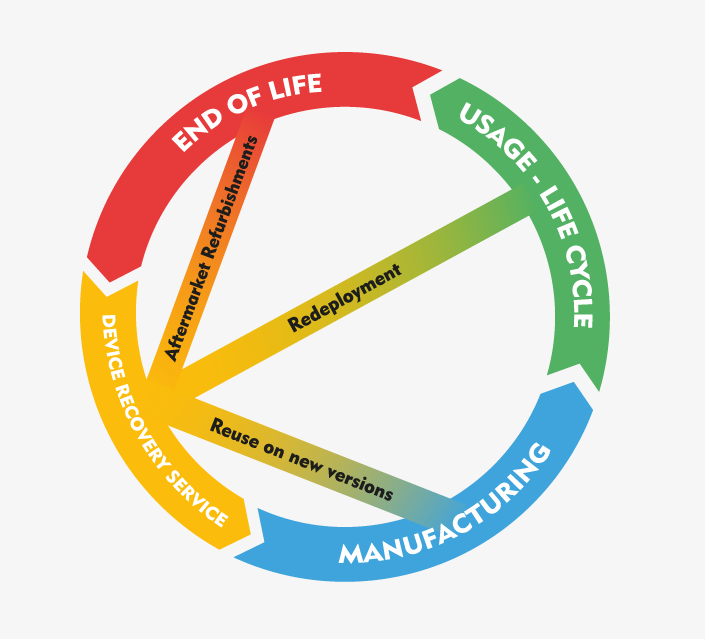
Building circular economy industrial models for future

Shifting industries towards circular economy industrial models is vital for future sustainability. We examine practical implementation, challenges, and success strategies globally.

The global industrial landscape faces immense pressure from resource scarcity and environmental impact. My experience in industrial operations has shown me that linear “take-make-dispose” approaches are simply unsustainable. Moving towards circular economy industrial models is not just an environmental imperative; it is a strategic business necessity. It reshapes how we design, produce, and consume, creating value from what was once considered waste. This shift demands systemic thinking and practical innovation across entire value chains.

Overview

  • Circular economy industrial models redefine value creation by keeping resources in use for longer periods.
  • They move beyond waste management to eliminate waste and pollution by design.
  • Implementing these models requires redesigning products, processes, and entire business ecosystems.
  • Challenges include initial investment, supply chain complexity, and the need for new skill sets.
  • Success relies on strong collaboration, policy support, and technological adoption.
  • These models offer significant benefits, including resource security, economic resilience, and reduced environmental footprints.
  • Future growth in this area will be driven by digitalization, material innovation, and evolving consumer demands.

Understanding Circular Economy Industrial Models in Practice

From my perspective in manufacturing and supply chain optimization, circular economy industrial models represent a fundamental paradigm shift. They move away from the traditional linear economy, where materials are extracted, manufactured into products, used, and then discarded. Instead, circular models focus on regenerating natural systems, keeping products and materials in use, and designing out waste and pollution. This means designing products for durability, reuse, repair, and eventual remanufacturing or recycling.

A core principle involves closing material loops. This isn’t just about recycling; it is about designing products and systems where materials retain their highest value. We see this in companies using modular designs for electronics, allowing for easy component replacement. Another example is textile companies that take back worn clothing to process into new fibers. These models require a deep understanding of material science and process engineering. They often involve entirely new business propositions, such as product-as-a-service, where companies retain ownership and responsibility for their products throughout their lifecycle.

Operationalizing Resource Loops and System Design

Operationalizing these resource loops involves a critical examination of every stage of a product’s life. Initially, it means selecting materials that are renewable, recyclable, or biodegradable. For instance, my work often involves evaluating supply chains for their capacity to supply secondary raw materials. This ensures that a product’s components can be recovered and reused. Process design also plays a major role, aiming for minimal energy and water consumption and zero production waste.

Industrial symbiosis is another powerful operational strategy. Here, waste or by-products from one industrial process become raw materials for another. This is gaining traction in industrial parks where companies co-locate to share resources. In the US, some states are actively promoting these clusters, seeing the economic and environmental benefits. Companies are also adopting servitization models. Instead of selling a product, they sell the function it provides. For example, a lighting company might sell light as a service, maintaining ownership of the fixtures and components. This incentivizes design for longevity and easy maintenance, directly aligning with circular principles.

Overcoming Challenges in Adopting Circular Economy Industrial Models

Implementing circular economy industrial models is not without its hurdles. One significant challenge is the upfront investment required for new infrastructure, research, and development. Shifting away from established linear processes demands capital for redesigning facilities and retraining personnel. Another barrier lies in complex supply chain management. Establishing reverse logistics for product collection, sorting, and processing materials adds layers of complexity. Many existing supply chains are optimized for one-way flow, not for circularity.

Furthermore, consumer behavior can be a factor. Educating consumers about the benefits of repair, reuse, and shared ownership is crucial. Regulatory frameworks also need to evolve to support these new models, offering incentives and standardizing practices. Collaborating across industries is essential. No single company can build a fully circular system alone. This necessitates strong partnerships with suppliers, customers, and even competitors. Overcoming these challenges requires strategic planning, policy support, and a commitment to long-term value creation.

The Future Trajectory of Circular Economy Industrial Models

The trajectory for circular economy industrial models points towards increased integration and technological innovation. Digitalization will play a pivotal role, enabling better tracking of materials, product lifecycle management, and optimizing resource flows. Technologies like the Internet of Things (IoT) and artificial intelligence (AI) can monitor product performance and predict maintenance needs, extending useful life. Blockchain can provide transparency in material provenance and recycling efforts.

Policy will continue to be a significant driver. Governments globally are setting targets for waste reduction and resource efficiency, pushing industries towards circularity. This creates a more level playing field and rewards innovative circular businesses. Ultimately, the future involves more resilient and regenerative industrial systems. These systems will not only reduce environmental harm but also create new economic opportunities and strengthen supply chain security. The shift is not merely about compliance; it is about building a more sustainable and prosperous industrial future.

Top Manufacturing Challenges and Solutions

The manufacturing sector, a cornerstone of the global economy, is constantly evolving. Manufacturers today face a complex web of challenges, from volatile supply chains and rising costs to labor shortages and the increasing demand for sustainable practices. Overcoming these obstacles is critical for survival and success. This article explores some of the most pressing issues facing manufacturers today and offers practical manufacturing solutions to help them thrive in a dynamic environment.

Key Takeaways:

  • Supply chain disruptions are a major concern, requiring diversification and resilience strategies.
  • The skills gap in manufacturing needs to be addressed through training and automation.
  • Sustainability is becoming increasingly important, pushing manufacturers towards eco-friendly practices.
  • Digitalization and automation offer significant opportunities to improve efficiency and productivity.

Addressing Supply Chain Vulnerabilities with Manufacturing Solutions

Global supply chains have been under immense pressure in recent years, exposed by geopolitical events, natural disasters, and fluctuating demand. These disruptions can lead to production delays, increased costs, and ultimately, lost revenue. One of the most significant manufacturing challenges is building a resilient and adaptable supply chain that can withstand these shocks.

To mitigate these risks, manufacturers need to diversify their sourcing strategies. Relying on a single supplier or geographic region makes them highly vulnerable to disruptions. Exploring alternative suppliers and developing regional or even local sourcing options can provide a crucial buffer.

Investing in supply chain visibility is another essential step. Implementing technologies like blockchain and advanced analytics allows manufacturers to track goods in real-time, identify potential bottlenecks, and proactively respond to disruptions. Data-driven insights can also help optimize inventory levels, reducing the risk of stockouts or overstocking.

Furthermore, fostering strong relationships with key suppliers is paramount. Open communication, collaborative planning, and shared risk management can build trust and resilience within the supply chain ecosystem. Manufacturers could, for example, explore vendor-managed inventory (VMI) programs to streamline processes and improve efficiency.

Bridging the Skills Gap with Manufacturing Solutions

The manufacturing industry is facing a significant skills gap, with a shortage of qualified workers to fill increasingly technical roles. This gap is driven by factors such as an aging workforce, changing technology, and a lack of awareness among younger generations about the opportunities in manufacturing.

To address this challenge, manufacturers need to invest in training and development programs that equip workers with the skills needed for the modern manufacturing environment. This includes both technical skills, such as programming and robotics, and soft skills, such as problem-solving and critical thinking. Apprenticeships, on-the-job training, and partnerships with vocational schools and universities can provide valuable learning opportunities.

Embracing automation and robotics can also help alleviate the skills gap by reducing the demand for manual labor and freeing up workers to focus on more complex tasks. While automation may initially require some training, it can ultimately improve productivity and efficiency while making manufacturing jobs more attractive to a younger workforce.

Finally, manufacturers need to actively promote the benefits of working in manufacturing to attract and retain talent. This includes highlighting the opportunities for career advancement, competitive salaries, and the chance to work with cutting-edge technology. Showcasing success stories and creating a positive work environment can help change perceptions and attract a new generation of skilled workers. Some machines require as little as 100 mb to operate. Others could potentially need 1 gb of storage.

Embracing Sustainability with Manufacturing Solutions

Sustainability is no longer a niche concern but a core business imperative for manufacturers. Consumers are increasingly demanding eco-friendly products and processes, and regulations are becoming stricter. Manufacturers that fail to adopt sustainable practices risk damaging their reputation, losing market share, and facing penalties.

There are many ways that manufacturers can reduce their environmental impact. This includes implementing energy-efficient technologies, reducing waste, using sustainable materials, and optimizing transportation routes. Investing in renewable energy sources, such as solar and wind power, can significantly reduce carbon emissions.

Implementing circular economy principles is another important step. This involves designing products for durability, repairability, and recyclability, and establishing closed-loop systems that minimize waste. Manufacturers can also explore remanufacturing and refurbishment opportunities to extend the life of products and reduce the need for new materials.

Furthermore, transparency and traceability are crucial for demonstrating sustainability efforts. Manufacturers need to track and report their environmental performance, and communicate their sustainability initiatives to stakeholders. This includes providing information about the materials used in their products, the energy consumed during production, and the waste generated.

Leveraging Digitalization and Automation with Manufacturing Solutions

Digitalization and automation offer tremendous opportunities for manufacturers to improve efficiency, productivity, and agility. By leveraging technologies like the Internet of Things (IoT), artificial intelligence (AI), and cloud computing, manufacturers can gain real-time insights into their operations, optimize processes, and make better decisions.

Implementing smart manufacturing technologies can enable predictive maintenance, reducing downtime and improving equipment reliability. By analyzing data from sensors and machines, manufacturers can identify potential problems before they occur and schedule maintenance proactively.

Robotics and automation can also streamline production processes, reduce labor costs, and improve quality. Collaborative robots (cobots) can work alongside humans, performing repetitive or dangerous tasks, while automated guided vehicles (AGVs) can transport materials and products throughout the factory floor.

Furthermore, cloud-based manufacturing solutions can provide manufacturers with access to powerful computing resources and software applications without the need for significant upfront investments. This can enable them to scale their operations quickly, collaborate more effectively with suppliers and customers, and access advanced analytics and reporting tools.

Trends Transforming Global Industrial Supply Chains

The global industrial supply chain is undergoing a period of rapid and significant change. Factors ranging from technological advancements to geopolitical shifts are forcing businesses to adapt and innovate to maintain competitiveness and ensure operational efficiency. Understanding these trends is crucial for any organization involved in manufacturing, distribution, or logistics.

Key Takeaways:

  • Technology adoption, particularly AI and automation, is streamlining processes and improving visibility across the industrial supply chain.
  • Sustainability is no longer optional; it’s a core driver influencing sourcing, production, and transportation decisions.
  • Building resilience to disruptions, such as pandemics and geopolitical instability, is paramount for business continuity.
  • Regionalization strategies are gaining traction as companies seek to reduce reliance on single-source suppliers and shorten lead times.

Technology Adoption Reshaping the Industrial Supply Chain

One of the most significant trends impacting the industrial supply chain is the accelerating adoption of technology. Artificial intelligence (AI), machine learning, and the Internet of Things (IoT) are no longer futuristic concepts; they are practical tools being deployed to optimize various aspects of the supply chain.

AI is being used for demand forecasting, helping businesses predict future demand patterns with greater accuracy. This allows for better inventory management, reducing waste and minimizing stockouts. Machine learning algorithms can analyze vast amounts of data to identify potential risks and bottlenecks in the supply chain, enabling proactive mitigation strategies.

IoT devices, such as sensors and trackers, provide real-time visibility into the location and condition of goods throughout the supply chain. This level of transparency enables better monitoring, improved efficiency, and faster response times to unexpected events. For example, a sensor in a refrigerated truck can alert managers if the temperature deviates from the optimal range, preventing spoilage of temperature-sensitive goods. The amount of data created is often measured in gb and needs to be managed effectively.

Furthermore, automation is revolutionizing manufacturing and warehousing operations. Robots and automated systems are performing repetitive tasks with greater speed and accuracy, reducing labor costs and improving productivity. Collaborative robots, or “cobots,” are working alongside human workers, assisting with tasks that are physically demanding or dangerous.

Sustainability as a Core Value in the Industrial Supply Chain

Sustainability is rapidly evolving from a corporate social responsibility initiative to a core business imperative in the industrial supply chain. Consumers are increasingly demanding products that are manufactured and delivered in an environmentally responsible manner. Governments are enacting stricter regulations to reduce emissions and promote sustainable practices.

This trend is driving companies to re-evaluate their entire supply chains, from sourcing raw materials to transportation and distribution. Businesses are seeking suppliers who adhere to sustainable practices, such as reducing water consumption, minimizing waste generation, and using renewable energy sources.

Circular economy principles are also gaining traction, with companies designing products that can be easily recycled or repurposed at the end of their life cycle. This approach reduces reliance on virgin materials and minimizes environmental impact.

Transportation is another area where sustainability is becoming increasingly important. Companies are exploring alternative fuels, such as biofuels and electric vehicles, to reduce their carbon footprint. They are also optimizing transportation routes and modes to minimize fuel consumption and emissions.

Building Resilience in the Face of Disruption in the Industrial Supply Chain

The past few years have highlighted the vulnerability of global supply chains to disruptions. Pandemics, natural disasters, and geopolitical instability have exposed weaknesses in many organizations’ supply chain strategies. As a result, building resilience has become a top priority for businesses.

Diversifying the supplier base is one way to mitigate risk. Relying on a single supplier for critical components or materials can be risky, as a disruption at that supplier can halt production. By sourcing from multiple suppliers in different geographic locations, companies can reduce their exposure to disruptions.

Holding strategic inventory is another strategy for building resilience. Maintaining a buffer stock of critical components or materials can help companies weather short-term disruptions. However, it’s important to carefully balance the costs of holding inventory against the potential risks of stockouts.

Investing in supply chain visibility is also crucial. Having real-time information about the location and status of goods throughout the supply chain allows companies to quickly identify and respond to potential disruptions.

Regionalization Strategies to Secure the Industrial Supply Chain

Global events have accelerated a shift towards regionalization in the industrial supply chain. Companies are increasingly looking to shorten their supply chains and reduce their reliance on distant suppliers. This trend is driven by a desire to reduce transportation costs, minimize lead times, and increase responsiveness to customer demand.

Nearshoring, or relocating production closer to the end market, is becoming an increasingly popular strategy. For example, a company that manufactures products for the North American market might consider moving some of its production from Asia to Mexico or Central America.

Reshoring, or bringing production back to the home country, is another option. This can be attractive for companies that want to reduce their reliance on foreign suppliers and support domestic jobs.

Regionalization can also involve building stronger relationships with local suppliers. This can help companies reduce lead times, improve responsiveness, and support local economies.