

Proven Growth hacking strategies for online brands

Practical, experience-backed Growth hacking strategies for online brands to scale user acquisition & retention. Actionable tactics for market impact.
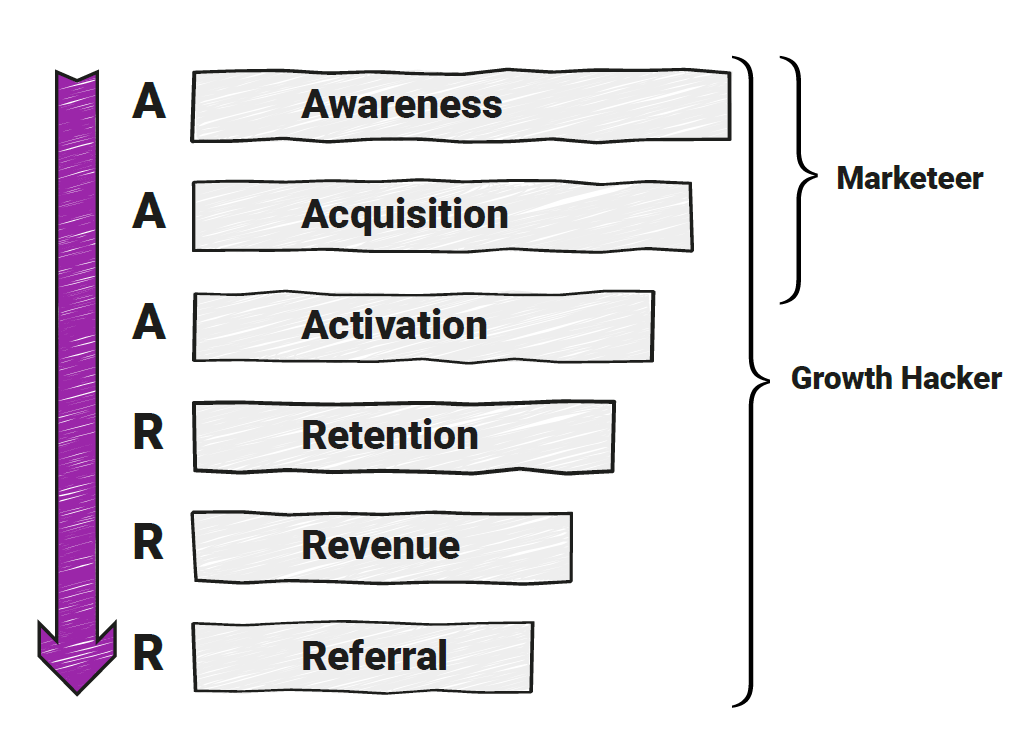
In my years working with online businesses, I’ve seen firsthand that sustainable growth doesn’t come from a single “magic bullet” but from a relentless cycle of experimentation and optimization. For online brands, this means moving beyond traditional marketing plans and adopting agile, data-driven methods. This approach, often termed growth hacking, focuses on rapid iteration to identify the most efficient paths to scale. It’s about being lean, adaptable, and deeply analytical in every marketing and product decision.

Overview

  • Growth hacking for online brands prioritizes rapid experimentation over long-term campaigns.
  • Data analytics forms the backbone of all effective growth initiatives.
  • Customer retention and referral programs are as crucial as new customer acquisition.
  • Successful strategies often involve A/B testing, personalization, and conversion rate optimization.
  • Understanding the customer journey from awareness to advocacy is fundamental.
  • Leveraging community and user-generated content can significantly boost organic reach.

Leveraging Data for Effective Growth hacking strategies for online brands

At the core of any successful Growth hacking strategies for online brands is an obsession with data. We don’t guess; we test. My team and I consistently start by defining clear metrics – what we call Key Performance Indicators (KPIs). These might include customer acquisition cost (CAC), customer lifetime value (LTV), or conversion rates at various funnel stages. For instance, in the US market, understanding regional purchasing behaviors through analytics can pinpoint where to allocate marketing spend more effectively.

Collecting and interpreting user behavior data is non-negotiable. Tools like Google Analytics, Mixpanel, or custom dashboards allow us to track everything from website clicks to product engagement. This data helps identify bottlenecks in the user journey. Perhaps users drop off at a specific checkout step, or a particular landing page has a low bounce rate but poor conversion. Data points us directly to these issues, enabling targeted improvements rather than broad assumptions. Without a strong data foundation, growth hacking is just guesswork.

Experimentation-Driven Growth hacking strategies for online brands

The ethos of growth hacking is continuous experimentation. This involves forming hypotheses, designing tests, analyzing results, and implementing findings. We frequently employ A/B testing on everything from ad creatives and headlines to email subject lines and product page layouts. A small tweak to a call-to-action button, for example, can sometimes yield surprising increases in conversion rates. This isn’t about grand campaigns; it’s about numerous small, impactful optimizations.

One practical example involves optimizing onboarding flows. We once experimented with reducing the number of form fields during sign-up for an e-commerce brand. Initial concerns about data quality were outweighed by a significant increase in successful registrations. The key was to gather only essential information upfront and progressively collect more details as the user engaged further. These iterative changes, driven by real user response, are characteristic of effective Growth hacking strategies for online brands.

Retention and Referral Tactics for Online Success

Acquiring new customers is vital, but retaining existing ones is often more cost-effective and contributes significantly to long-term growth. From my experience, online brands that master customer retention build a more resilient foundation. We focus on strategies like personalized email campaigns, loyalty programs, and exceptional customer service. Sending targeted follow-up emails after a purchase, offering exclusive discounts to repeat buyers, or simply providing quick, helpful support can dramatically improve customer loyalty.

Referral programs are another powerful tool. Happy customers are your best marketers. By incentivizing existing users to invite new ones, brands can tap into trusted networks. This lowers customer acquisition costs and brings in higher-quality leads. For example, a “give $10, get $10” model has proven effective across various online sectors. Building a strong community around the brand also encourages organic word-of-mouth, which is invaluable. These retention and referral tactics amplify growth by turning customers into advocates.

Scaling Paid Acquisition with Growth hacking strategies for online brands

While organic methods are crucial, paid acquisition remains a cornerstone for many online brands seeking rapid scale. The growth hacking approach to paid channels, however, is far from traditional ad buying. It’s about micro-experimentation, precise targeting, and continuous optimization. We constantly test new ad platforms, audience segments, and creative variations. This might involve exploring niche social media platforms, experimenting with different ad formats on Google, or leveraging influencer collaborations.

Performance marketers on my team are always looking for marginal gains. This means diligently tracking campaign performance and being ready to pause underperforming ads or scale up successful ones instantly. We don’t just set and forget campaigns. Instead, we use real-time data to adjust bids, refine targeting parameters, and iterate on ad copy to maximize return on ad spend. This agile, data-centric strategy is essential for making paid acquisition a genuinely scalable engine for an online brand’s expansion.

Strategic B2B digital marketing and lead generation

Master strategic B2B digital marketing and lead generation to drive growth. Learn practical tactics for attracting and converting ideal business clients.

In the competitive business landscape, a robust approach to attracting and converting business clients is crucial for sustained growth. For organizations aiming to expand their market share and client base, understanding the nuances of digital outreach is not merely an advantage—it’s a necessity. This article explores practical methodologies and strategic frameworks for effective B2B digital marketing and lead generation, drawing from years of real-world application in various industries.

Overview

  • Strategic planning is foundational for successful B2B client acquisition and market expansion.
  • Key digital channels include content marketing, search engine optimization (SEO), paid advertising, and targeted email campaigns.
  • Data analytics and Customer Relationship Management (CRM) integration are vital for tracking performance and optimizing efforts.
  • Account-Based Marketing (ABM) offers a precise, targeted approach for engaging high-value prospects.
  • Aligning sales and marketing teams ensures seamless lead nurturing and improved conversion rates.
  • Continuous testing and refinement of campaigns are essential for ongoing improvement and adaptability.
  • Understanding the buyer journey is critical for delivering relevant content at each stage.

Crafting an Effective B2B digital marketing and lead generation Strategy

Developing a sound strategy is the cornerstone of successful B2B digital marketing and lead generation. It begins with a deep understanding of your ideal customer profile (ICP) and their specific pain points. Researching their industry, challenges, and decision-making processes allows for highly targeted messaging. This initial phase involves defining clear, measurable objectives, such as increasing qualified leads by a certain percentage or improving conversion rates.

Content strategy plays a pivotal role here. We focus on creating valuable, authoritative content that addresses specific business needs. This can include whitepapers, case studies, industry reports, webinars, and thought leadership articles. These resources position your organization as an expert, building trust and credibility. The content is then distributed strategically across various digital channels, ensuring it reaches the right audience at the right time. For example, in the US market, localized content often resonates more strongly. Regular performance reviews help adapt the strategy as market conditions or customer behaviors evolve. This iterative process is key to sustained success.

Essential Channels for B2B digital marketing and lead generation

Effective B2B digital marketing and lead generation relies on a multi-channel approach. Search Engine Optimization (SEO) is fundamental, ensuring your website ranks high for relevant industry terms. This drives organic traffic, bringing potential clients directly to your resources. Paid advertising, including Google Ads and LinkedIn Ads, offers immediate visibility and precise targeting capabilities based on company size, job title, and industry. These platforms allow us to reach specific decision-makers actively seeking solutions.

Content marketing supports both SEO and paid efforts by providing the valuable assets needed for engagement. Email marketing remains a powerful tool for nurturing leads. Segmented lists allow for personalized communication, delivering relevant content and offers at different stages of the buyer journey. Account-Based Marketing (ABM) takes targeting to another level, focusing resources on a select group of high-value accounts. This involves coordinated outreach across multiple channels, personalized content, and close alignment with sales teams to penetrate specific organizations. Social media platforms like LinkedIn are also vital for professional networking and content distribution in the B2B space.

Measuring Success in B2B Digital Marketing Activities

Effective measurement is critical to optimizing any B2B digital marketing effort. We track key performance indicators (KPIs) to assess campaign effectiveness and return on investment (ROI). These metrics include website traffic, lead volume, lead quality, conversion rates, and cost per acquisition (CPA). Analyzing these data points helps us understand what is working and what needs adjustment. Tools like Google Analytics, CRM systems, and marketing automation platforms provide the necessary insights.

Attribution modeling is also important for understanding which touchpoints contribute most to a conversion. This allows for better resource allocation. Regularly reviewing campaign performance against initial objectives ensures we stay on track. If a campaign isn’t meeting its goals, we diagnose the issue, whether it’s the messaging, audience targeting, or channel selection, and implement corrective actions. This data-driven approach fosters continuous improvement, ensuring marketing spend is optimized for maximum impact. Consistent reporting maintains transparency and allows for informed decision-making.

Practical Steps for B2B digital marketing and lead generation Implementation

Putting a B2B digital marketing and lead generation strategy into practice requires structured execution. Start by auditing your current digital presence and identifying areas for improvement. This includes website performance, existing content, and social media activity. Next, define your target audience with detailed buyer personas, outlining their roles, challenges, and preferred communication channels. This clarity guides all subsequent efforts.

Develop a content calendar that aligns with your buyer journey, planning out articles, videos, and downloads. Implement SEO best practices on your website and create targeted ad campaigns for key platforms. Set up marketing automation workflows for lead nurturing, ensuring prospects receive timely and relevant communications. Crucially, integrate your marketing automation platform with your CRM system. This provides sales teams with valuable lead intelligence and a clear handover process for qualified leads. Finally, establish a regular reporting cadence to monitor progress, analyze results, and make necessary adjustments. This structured approach helps organizations systematically improve their lead generation outcomes.