

Wellness and Relaxation at an Authentic Ubud Spa
In the heart of Bali, where emerald rice terraces cascade down valleys and sacred rivers meander through lush jungles, lies Ubud—a sanctuary for wellness and relaxation. The village of Ubud has long been celebrated as Bali’s spiritual and artistic capital, attracting seekers of peace, healing, and inspiration from around the world. Amidst this serene landscape, authentic Ubud spas offer a pathway to profound rejuvenation, blending ancient Balinese traditions with modern luxury. Whether you are a seasoned wellness traveler or a first-time visitor longing to escape the stresses of daily life, an Ubud spa experience promises to restore balance to your mind, body, and soul.
The Allure of Ubud: A Sanctuary for Wellness Seekers
Ubud’s allure extends far beyond its breathtaking scenery. For decades, this enchanting region has been a magnet for those in search of holistic wellness, spiritual enlightenment, and artistic inspiration. The town is dotted with countless yoga shalas, meditation centers, and wellness retreats, each offering a unique approach to healing and relaxation. The gentle hum of cicadas, the fragrance of frangipani, and the rhythmic flow of the Ayung River create a multisensory tapestry conducive to deep relaxation.
What sets Ubud apart is its unwavering commitment to authenticity. Here, wellness is not a fleeting trend but a way of life deeply rooted in Balinese culture. From the use of locally sourced herbs and spices to the respectful integration of sacred rituals, every element of an Ubud spa experience honors the island’s rich heritage. This authenticity infuses every treatment with meaning, transforming a simple massage into a spiritual journey.
The Essence of Balinese Spa Therapy
The core philosophy of Balinese spa therapy is the harmonious interplay between body, mind, and spirit. Drawing on centuries-old wisdom, Balinese healers have crafted unique techniques that combine gentle stretching, acupressure, aromatherapy, and energy balancing. Each treatment is tailored to the individual, aiming to release tension, stimulate circulation, and foster a profound sense of wellbeing.
Traditional Balinese massage, for instance, incorporates long, flowing strokes and pressure-point manipulation, often using warm coconut oil infused with local botanicals. Herbal body scrubs, flower baths, and reflexology sessions further enhance the healing process, inviting guests to surrender to the soothing touch of skilled therapists. Many spas in Ubud also offer holistic healing modalities such as sound therapy, chakra balancing, and traditional healing ceremonies led by Balinese priests.
Unveiling the Authentic Ubud Spa Experience
An authentic Ubud spa experience goes beyond physical pampering. It is an immersive journey that engages all the senses, from the moment you step into a tranquil open-air pavilion surrounded by tropical gardens. The gentle chime of bamboo wind bells, the soft trickle of water features, and the subtle aroma of incense create an atmosphere of pure serenity.
Treatments often begin with a traditional foot cleansing ritual, symbolizing the washing away of worldly concerns. As you recline on a massage table crafted from local teakwood, therapists use time-honored techniques passed down through generations. The focus is on nurturing both the body and the spirit, guiding you into a meditative state where true healing can occur.
Many Ubud spas also incorporate elements of Balinese Hindu philosophy, such as offerings to the gods and gratitude rituals. These practices foster a deep sense of connection—not only to oneself but also to the land, its people, and its spiritual energy.
Signature Spa Treatments for Mind and Body
The menu at an authentic Ubud spa is a testament to the island’s rich healing traditions. Among the most popular treatments are:
- Balinese Massage: A combination of deep tissue manipulation, acupressure, and gentle stretching, this massage is designed to release muscle tension and promote relaxation.
- Boreh Body Scrub: A traditional herbal scrub made from warming spices such as ginger, clove, and cinnamon, applied to detoxify and invigorate the skin.
- Flower Bath Ritual: After a massage or scrub, guests are often invited to soak in a fragrant bath filled with fresh petals—a symbol of beauty, purity, and renewal.
- Reflexology: Targeting pressure points on the feet and hands, this technique stimulates corresponding organs and systems throughout the body, enhancing overall vitality.
- Energy Healing: Many spas offer energy-based therapies, such as Reiki or chakra balancing, to harmonize the body’s subtle energy fields and promote emotional wellbeing.
Each treatment is often accompanied by complimentary herbal teas, fresh fruit, or light snacks, ensuring that the nurturing experience continues long after the session ends.
The Role of Nature in Ubud’s Wellness Traditions
One of the most distinctive features of Ubud’s spas is their seamless integration with the natural environment. Many treatment rooms are open to the elements, allowing guests to listen to the sounds of the jungle and feel the gentle breeze during their therapies. Outdoor showers, private gardens, and infinity pools overlooking rice fields contribute to a sense of oneness with nature.
The use of local, organic ingredients is another hallmark of Ubud’s wellness scene. Coconut oil, volcanic clay, fresh aloe vera, and indigenous herbs are commonly used in treatments, harnessing the healing power of Bali’s fertile soil. This focus on natural, sustainable practices not only enhances the effectiveness of each therapy but also supports the wellbeing of the local community.
Integrating Wellness with Luxury Accommodation
True wellness is best experienced when every aspect of your stay is crafted with care and intention. Many travelers choose to complement their spa treatments with luxurious private villas that offer seclusion, comfort, and personalized service. For those seeking an immersive retreat, Ubud villas provide the perfect blend of tranquility and indulgence. These sanctuaries often feature private pools, open-air living spaces, and breathtaking views—creating an environment where relaxation comes naturally.
In addition to in-villa spa services, guests can enjoy amenities such as yoga decks, meditation pavilions, and holistic wellness programs. The emphasis on privacy and exclusivity allows you to tailor your experience to your unique needs, whether you wish to spend your days exploring Ubud’s cultural treasures or simply unwinding in your own oasis.
Many villa resorts also collaborate with local healers and wellness experts, offering workshops on mindfulness, nutrition, and Balinese rituals. This integration of accommodation and wellness ensures that every moment of your stay contributes to your overall sense of renewal.
The Culinary Dimension of Wellness in Ubud
No wellness journey is complete without nourishing cuisine that delights the senses and supports physical vitality. Ubud is renowned for its vibrant food scene, where fresh, organic ingredients are celebrated in both traditional and contemporary dishes. Whether you follow a plant-based diet or simply appreciate wholesome flavors, you’ll find plenty to savor in this tropical paradise.
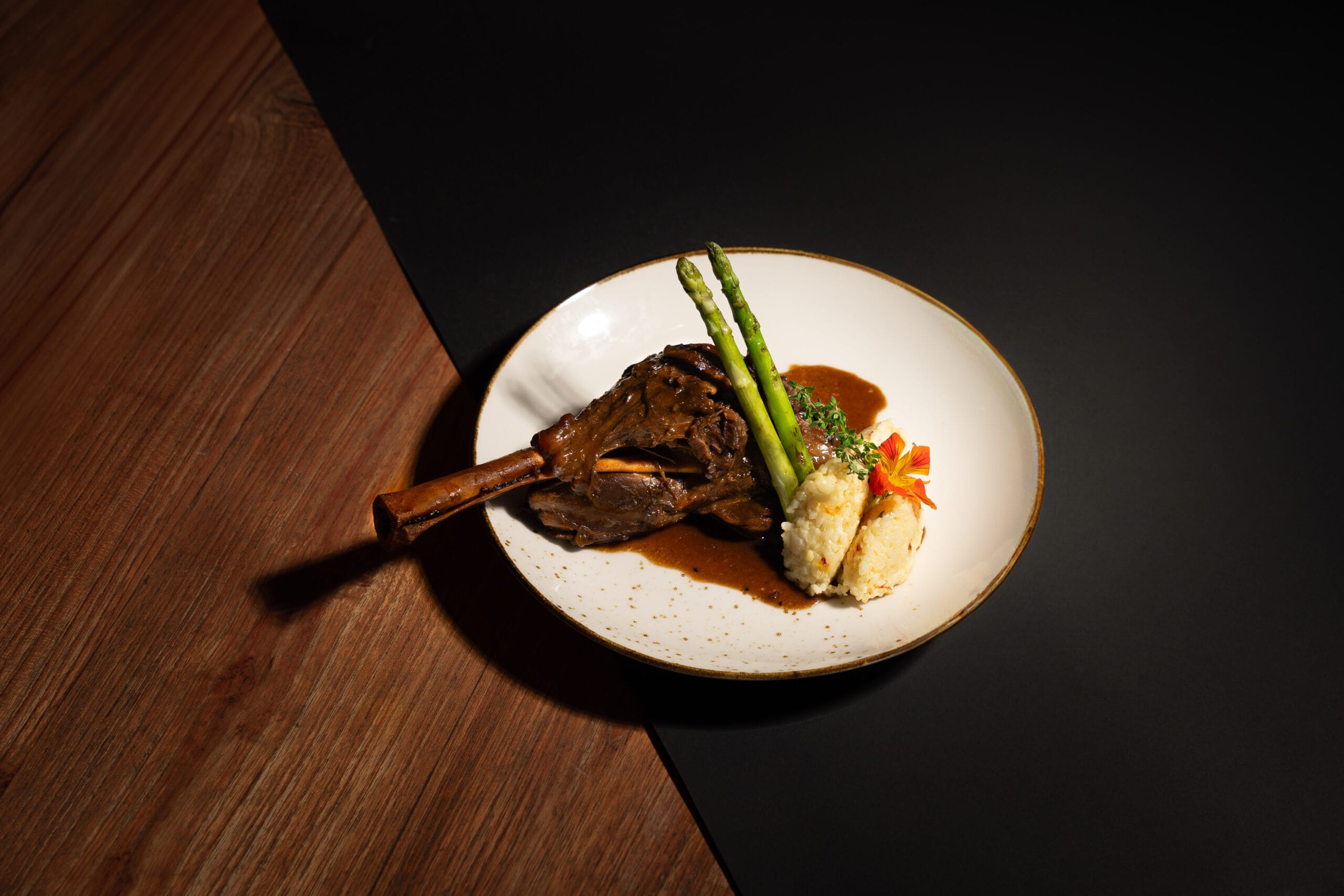
For those seeking a truly exceptional dining experience, ubud fine dining offers an exquisite fusion of local flavors and global culinary techniques. Many fine dining establishments in Ubud emphasize sustainability, creativity, and a deep respect for Balinese culinary heritage. Dishes are often artfully presented, using edible flowers, tropical fruits, and aromatic spices to stimulate both palate and imagination.
In addition to gourmet restaurants, many spas and wellness resorts feature their own health-focused menus, offering smoothies, herbal teas, and nutrient-rich meals designed to complement your spa treatments. This holistic approach to wellness ensures that your body is nourished from the inside out.
Why Choose a Boutique Spa Retreat?
While Ubud is home to a wide range of spas, from humble village establishments to lavish resort sanctuaries, boutique spa retreats offer a uniquely intimate and personalized experience. These smaller venues often limit the number of guests, allowing for greater attention to detail and a deeper connection with the therapists.
At a boutique spa, treatments are carefully tailored to your preferences and needs. Therapists take the time to understand your wellness goals, ensuring that each session delivers maximum benefit. The tranquil setting, often surrounded by nature, enhances the sense of escape and encourages true relaxation.
Many boutique spas also prioritize sustainability and community engagement, sourcing ingredients locally and supporting traditional artisans. By choosing such a retreat, you not only invest in your own wellbeing but also contribute to the preservation of Bali’s cultural and natural heritage.
Planning Your Wellness Getaway in Ubud
Planning a wellness retreat in Ubud is a deeply rewarding endeavor, offering the chance to disconnect from the demands of modern life and reconnect with your inner self. When considering where to stay, the choice of accommodation can significantly enhance your overall experience. Amora Ubud Villas stands out as a premier destination for those seeking authentic wellness and luxury in perfect harmony.
Begin by defining your wellness goals: Do you wish to focus on relaxation, detoxification, spiritual growth, or a combination of these? Many spas and resorts offer customizable packages that include massages, yoga classes, meditation sessions, and healthy meals. Research the available treatments and amenities, and don’t hesitate to reach out to the staff for personalized recommendations.
It’s also wise to set aside time for exploration. Ubud is home to sacred temples, bustling markets, art galleries, and scenic hiking trails. Balancing spa treatments with cultural immersion and outdoor adventure ensures a holistic and memorable stay.
Tips for Maximizing Your Ubud Spa Experience
- Book in Advance: Ubud’s most popular spas and wellness retreats can fill up quickly, especially during peak travel seasons. Reserve your treatments and accommodation early to secure your preferred times.
- Communicate Your Preferences: Don’t hesitate to share your wellness goals, preferred pressure during massages, or any allergies with your therapist. Personalized service is a hallmark of Ubud’s spa culture.
- Embrace Local Traditions: Participate in rituals such as flower baths, blessing ceremonies, or guided meditations to deepen your connection to Balinese culture.
- Stay Hydrated: Bali’s tropical climate can be dehydrating, especially after spa treatments. Drink plenty of water and herbal teas to support detoxification.
- Allow Time for Integration: Schedule downtime after your treatments to relax, reflect, and absorb the benefits. Avoid rushing back to a busy itinerary.
- Explore Beyond the Spa: Ubud’s beauty extends far beyond its wellness venues. Take time to wander through rice fields, visit artisan workshops, or simply sit quietly by the river.
Conclusion: Embrace Tranquility and Rejuvenation
An authentic Ubud spa experience is more than a luxurious indulgence—it is an invitation to slow down, reconnect with yourself, and celebrate the profound wisdom of Balinese healing traditions. From the skilled hands of experienced therapists to the nurturing embrace of nature, every element is designed to restore balance and harmony in your life.
Whether you are seeking deep relaxation, vibrant health, or spiritual renewal, Ubud offers a sanctuary where wellness and relaxation intertwine. Allow yourself to be guided by the island’s gentle rhythms, indulge in nourishing treatments, and savor the peace that comes from true self-care. Your journey to wellness begins here, in the heart of Bali’s spiritual haven.

