
Proven Growth hacking strategies for online brands

Practical, experience-backed Growth hacking strategies for online brands to scale user acquisition & retention. Actionable tactics for market impact.
In my years working with online businesses, I’ve seen firsthand that sustainable growth doesn’t come from a single “magic bullet” but from a relentless cycle of experimentation and optimization. For online brands, this means moving beyond traditional marketing plans and adopting agile, data-driven methods. This approach, often termed growth hacking, focuses on rapid iteration to identify the most efficient paths to scale. It’s about being lean, adaptable, and deeply analytical in every marketing and product decision.

Overview

  • Growth hacking for online brands prioritizes rapid experimentation over long-term campaigns.
  • Data analytics forms the backbone of all effective growth initiatives.
  • Customer retention and referral programs are as crucial as new customer acquisition.
  • Successful strategies often involve A/B testing, personalization, and conversion rate optimization.
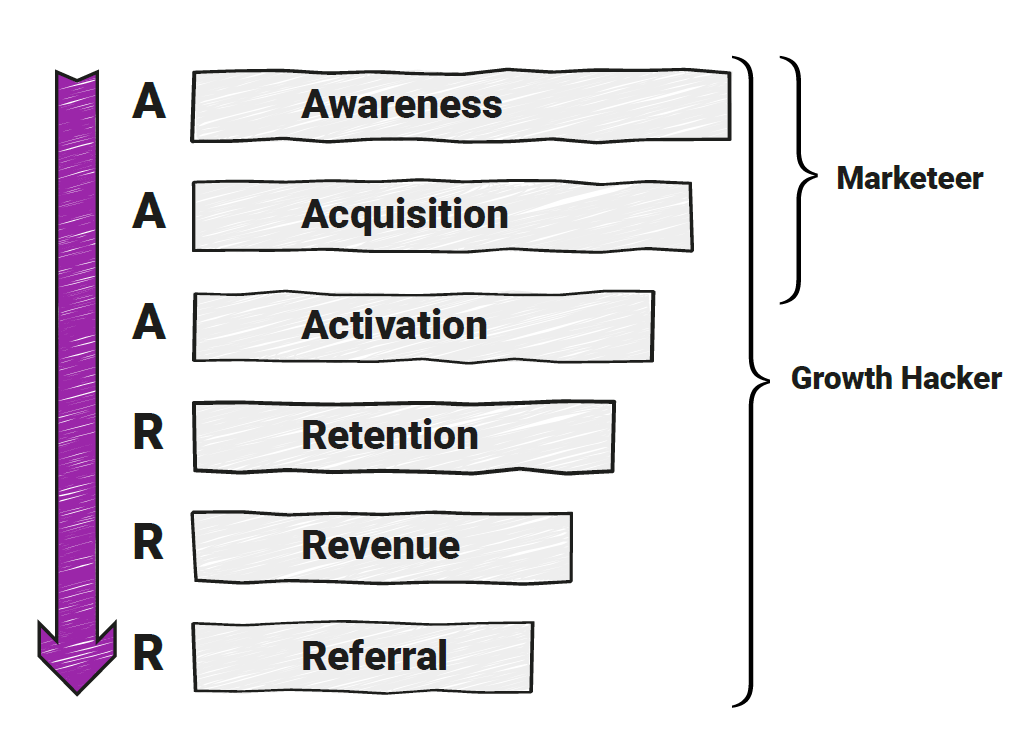
  • Understanding the customer journey from awareness to advocacy is fundamental.
  • Leveraging community and user-generated content can significantly boost organic reach.

Leveraging Data for Effective Growth hacking strategies for online brands

At the core of any successful Growth hacking strategies for online brands is an obsession with data. We don’t guess; we test. My team and I consistently start by defining clear metrics – what we call Key Performance Indicators (KPIs). These might include customer acquisition cost (CAC), customer lifetime value (LTV), or conversion rates at various funnel stages. For instance, in the US market, understanding regional purchasing behaviors through analytics can pinpoint where to allocate marketing spend more effectively.

Collecting and interpreting user behavior data is non-negotiable. Tools like Google Analytics, Mixpanel, or custom dashboards allow us to track everything from website clicks to product engagement. This data helps identify bottlenecks in the user journey. Perhaps users drop off at a specific checkout step, or a particular landing page has a low bounce rate but poor conversion. Data points us directly to these issues, enabling targeted improvements rather than broad assumptions. Without a strong data foundation, growth hacking is just guesswork.

Experimentation-Driven Growth hacking strategies for online brands

The ethos of growth hacking is continuous experimentation. This involves forming hypotheses, designing tests, analyzing results, and implementing findings. We frequently employ A/B testing on everything from ad creatives and headlines to email subject lines and product page layouts. A small tweak to a call-to-action button, for example, can sometimes yield surprising increases in conversion rates. This isn’t about grand campaigns; it’s about numerous small, impactful optimizations.

One practical example involves optimizing onboarding flows. We once experimented with reducing the number of form fields during sign-up for an e-commerce brand. Initial concerns about data quality were outweighed by a significant increase in successful registrations. The key was to gather only essential information upfront and progressively collect more details as the user engaged further. These iterative changes, driven by real user response, are characteristic of effective Growth hacking strategies for online brands.

Retention and Referral Tactics for Online Success

Acquiring new customers is vital, but retaining existing ones is often more cost-effective and contributes significantly to long-term growth. From my experience, online brands that master customer retention build a more resilient foundation. We focus on strategies like personalized email campaigns, loyalty programs, and exceptional customer service. Sending targeted follow-up emails after a purchase, offering exclusive discounts to repeat buyers, or simply providing quick, helpful support can dramatically improve customer loyalty.

Referral programs are another powerful tool. Happy customers are your best marketers. By incentivizing existing users to invite new ones, brands can tap into trusted networks. This lowers customer acquisition costs and brings in higher-quality leads. For example, a “give $10, get $10” model has proven effective across various online sectors. Building a strong community around the brand also encourages organic word-of-mouth, which is invaluable. These retention and referral tactics amplify growth by turning customers into advocates.

Scaling Paid Acquisition with Growth hacking strategies for online brands

While organic methods are crucial, paid acquisition remains a cornerstone for many online brands seeking rapid scale. The growth hacking approach to paid channels, however, is far from traditional ad buying. It’s about micro-experimentation, precise targeting, and continuous optimization. We constantly test new ad platforms, audience segments, and creative variations. This might involve exploring niche social media platforms, experimenting with different ad formats on Google, or leveraging influencer collaborations.

Performance marketers on my team are always looking for marginal gains. This means diligently tracking campaign performance and being ready to pause underperforming ads or scale up successful ones instantly. We don’t just set and forget campaigns. Instead, we use real-time data to adjust bids, refine targeting parameters, and iterate on ad copy to maximize return on ad spend. This agile, data-centric strategy is essential for making paid acquisition a genuinely scalable engine for an online brand’s expansion.

Proven micro-influencer marketing platform expertise

Achieve marketing success with proven micro-influencer marketing platform expertise. Learn best practices for selection, strategy, and measurable ROI from real-world experience.

Our experience in the digital marketing landscape has consistently shown the power of authentic connections. Brands increasingly recognize that engaging with smaller, more niche content creators yields impressive results. These micro-influencers often boast highly engaged audiences, driving conversions more effectively than celebrity endorsements. Building successful campaigns requires deep insight into audience behaviors and robust tools to manage these relationships efficiently.

Overview

  • Expertise in micro-influencer marketing platform selection is vital for campaign success.
  • Operationalizing these platforms involves detailed strategy, creator vetting, and content guidelines.
  • Real-world application demonstrates platforms streamline communication and performance tracking.
  • Measuring campaign impact moves beyond vanity metrics to focus on conversion and ROI.
  • Effective influencer engagement relies on fostering genuine, long-term relationships with creators.
  • Compliance and ethical considerations are paramount in running transparent influencer campaigns.
  • Our approach combines strategic planning with practical platform utilization for measurable brand growth.
  • Platforms help scale campaigns while maintaining authenticity across diverse markets, including the US.

Core Competencies in Influencer Engagement

Effective influencer engagement goes beyond simply finding creators. It involves a nuanced understanding of relationship building, content collaboration, and audience resonance. We prioritize authentic connections, which means looking for creators whose values align with a brand’s message. Our approach involves meticulous vetting processes. This ensures influencers genuinely connect with their followers and demonstrate integrity. We examine past collaborations, audience demographics, and engagement rates before any partnership begins.

Successful campaigns stem from clear communication and mutual respect. We develop detailed briefs that outline objectives, key messages, and creative freedoms. However, we also encourage influencers to infuse their unique voice, knowing that authenticity drives better results. This collaborative spirit fosters a sense of partnership rather than just a transactional exchange. Our team has managed countless campaigns, from product launches to ongoing brand ambassadorships, by focusing on these foundational principles. We understand the nuances of creator dynamics and how to cultivate lasting, productive relationships. This deep expertise ensures campaigns resonate widely and achieve specific business goals, whether increasing brand awareness or driving sales.

Selecting the Right Micro-influencer marketing platform

Choosing an appropriate micro-influencer marketing platform is a critical decision that directly impacts campaign efficiency and effectiveness. Not all platforms are created equal; their features and capabilities vary significantly. Our selection process begins with a thorough needs assessment, understanding a brand’s specific goals, budget, and target audience. We evaluate platforms based on their creator discovery tools, database size, and demographic filtering capabilities. A robust platform should offer advanced analytics to identify the most relevant micro-influencers, not just the ones with the largest follower counts.

Beyond discovery, we assess the platform’s campaign management features. This includes tools for communication, content approval workflows, and payment processing. Streamlined operations are essential for scaling programs without administrative burden. Data integration is another key factor; the best platforms integrate with existing marketing stacks for a holistic view of campaign performance. For businesses operating in the US, understanding localized audience insights and regulatory compliance features is also paramount. Our practical experience has shown that a platform’s user-friendliness and customer support also play a significant role in long-term satisfaction. We help clients navigate this complex landscape, recommending solutions that genuinely match their operational requirements and strategic ambitions.

Operationalizing a Micro-influencer marketing platform for Results

Implementing and managing campaigns through a micro-influencer marketing platform requires strategic planning and meticulous execution. Our operational expertise ensures that every step, from initial outreach to final reporting, is optimized for maximum impact. We begin by setting clear, measurable objectives for each campaign. These might include specific sales targets, website traffic goals, or increased brand mentions. The platform then becomes our central hub for all activities. We leverage its features to manage creator relationships, distribute content briefs, and track submissions.

Effective content management is crucial. We guide creators through content production, offering feedback while preserving their authentic voice. The platform facilitates this iterative process, centralizing communication and asset sharing. Performance tracking is another area where our operational approach shines. We configure the platform to monitor key metrics in real time. This allows for quick adjustments and optimizations during live campaigns. Our team continuously analyzes engagement rates, conversion data, and sentiment analysis provided by the platform. This data-driven strategy ensures resources are allocated effectively. For example, if a particular content type or creator performs exceptionally well, we can replicate that success across other campaign elements. This hands-on approach consistently yields measurable improvements in campaign outcomes.

Measuring Campaign Impact with a Micro-influencer marketing platform

Accurately measuring the impact of micro-influencer campaigns is fundamental to demonstrating ROI and refining future strategies. Our expertise lies in moving beyond superficial metrics to focus on tangible business outcomes. A micro-influencer marketing platform provides the data infrastructure necessary for this deep analysis. We configure tracking parameters to capture essential data points, such as click-through rates, website conversions, and lead generation. This direct attribution helps quantify the value brought by each influencer and campaign.

We also analyze brand sentiment and awareness shifts. Platform analytics often provide insights into mentions, reach, and audience demographics exposed to campaign content. For product-focused campaigns, we correlate influencer activity with sales data, segmenting by product line or geographic region within the US. Understanding the cost per acquisition (CPA) from influencer channels compared to other marketing efforts is a key indicator of efficiency. Our regular reporting cycles provide clear, actionable insights for stakeholders. This allows for continuous optimization and strategic adjustments. By combining robust platform data with our analytical acumen, we provide a transparent view of campaign performance. This ensures every dollar invested in micro-influencer marketing is justified and contributes to overarching business goals.

Creating Passive Income Streams Effectively

Creating Passive Income Streams Effectively

The dream of earning money without constant active involvement is a powerful one. The promise of passive income – a revenue stream that continues to generate earnings even when you’re not directly working on it – is incredibly appealing in today’s fast-paced world. But achieving truly passive income requires careful planning, strategic implementation, and a willingness to invest time and resources upfront. It’s not about “get rich quick” schemes; it’s about building sustainable systems that generate revenue over the long term. Understanding the various avenues available, assessing your skills and resources, and implementing proven strategies are key to successfully creating effective passive income streams.

Key Takeaways:

  • Passive income requires upfront effort and investment of time or capital.
  • Diversifying your passive income streams reduces risk and increases overall earnings.
  • Choosing the right passive income strategy depends on your skills, resources, and risk tolerance.
  • Maintaining and updating your passive income streams is crucial for long-term success.

Building a Passive Income Stream Through Digital Products

One of the most popular avenues for generating passive income is through the creation and sale of digital products. This can range from e-books and online courses to stock photos, software, and website templates. The beauty of digital products lies in their scalability – once created, they can be sold repeatedly with minimal additional effort.

To succeed in this area, you need to identify a niche market with a demand for your expertise. Conduct thorough market research to understand your target audience’s needs and pain points. Then, create high-quality, valuable content that addresses those needs. Consider offering a free sample or preview to attract potential customers.

Once your product is ready, focus on marketing and distribution. Utilize social media, email marketing, and paid advertising to reach your target audience. Platforms like Gumroad, Teachable, and Etsy can simplify the process of selling and delivering your digital products. Remember to continuously update and improve your products based on customer feedback to maintain their value and relevance. You can even offer product versions in different languages if you have team members that can help you, such as in Spanish, French, or even German.

Don’t forget about SEO (Search Engine Optimization). Optimizing your product descriptions and website content with relevant keywords will help potential customers find you through search engines like Google. Think about what people are searching for when they need your product, and use those phrases in your marketing materials. High-quality digital products can generate substantial passive income over time, providing you with a reliable source of revenue with minimal ongoing effort. You might also consider offering affiliate deals to others to help you sell your product. Offering a percentage, such as 10%, 20%, or even 30%, would likely entice people to sell your product. The higher the percentage, the higher the possibility of people selling your product.

Generating Passive Income with Affiliate Marketing

Affiliate marketing is another popular strategy for generating passive income. This involves partnering with businesses and promoting their products or services on your website, blog, or social media channels. When someone clicks on your unique affiliate link and makes a purchase, you earn a commission.

The key to success with affiliate marketing is to choose products or services that are relevant to your audience and align with your brand. Promoting products you genuinely believe in will make your recommendations more authentic and trustworthy. Create high-quality content that educates your audience about the products you’re promoting and highlights their benefits. Include your affiliate links naturally within your content, ensuring they are easily accessible.

Building a strong online presence and establishing trust with your audience is crucial for affiliate marketing success. Focus on providing valuable content that solves problems and answers questions. As your audience grows, so will your potential to earn passive income through affiliate commissions. Remember to disclose your affiliate relationships to maintain transparency and build trust with your audience. There are affiliate networks out there that let you sell a variety of different products. A lot of the sites sell products on Shopify, Amazon, or even Etsy. The best part about this is that the bigger the brand, the more trust you will have for your viewers to be inclined to buy what you are selling.

Investing in Real Estate for Passive Income

Real estate investing is a traditional way to generate passive income through rental properties. While it requires a significant upfront investment, rental income can provide a steady stream of revenue over the long term.

To succeed in real estate investing, it’s important to conduct thorough market research to identify properties with high rental potential. Consider factors such as location, property condition, and local rental rates. Managing rental properties can be time-consuming, so you may want to consider hiring a property manager to handle tasks such as tenant screening, rent collection, and property maintenance.

Another option for generating passive income through real estate is to invest in Real Estate Investment Trusts (REITs). REITs are companies that own and manage income-producing real estate. Investing in REITs allows you to participate in the real estate market without directly owning or managing properties. Consider the financial implications of investing in real estate, like mortgages or taxes, which can offset profits. As a tip, if you own a rental property with multiple units, you should consider renting out a unit as a short-term rental like Airbnb to increase income.

Additionally, look at the area. Is it a desired location? Is it near restaurants, shops, and supermarkets? Is it near good schools? There are a lot of factors to consider.

Exploring Other Avenues for Passive Income

Beyond digital products, affiliate marketing, and real estate, there are numerous other avenues for generating passive income. Some popular options include:

  • Dividend Stocks: Investing in companies that pay dividends can provide a regular stream of income. Research and select stocks carefully based on their dividend history and financial stability. This is very similar to REIT, however, the risk level is higher as stocks are volatile. Some stocks may even require you to reinvest the dividends if you choose to opt in.
  • High-Yield Savings Accounts: While the returns may be relatively low, high-yield savings accounts offer a safe and liquid way to earn passive income on your savings. While it is safe, many of the high-yield savings accounts do not make you more money than inflation, so you are actually losing money.
  • Peer-to-Peer Lending: Platforms like LendingClub allow you to lend money to individuals or businesses and earn interest on the loans. However, be aware of the risks involved and diversify your investments to minimize potential losses.
  • Creating and Licensing Assets: If you have creative skills, you can create and license assets such as music, photographs, or software. This allows you to earn royalties or licensing fees each time your assets are used. If you are a digital artist, for example, there are a variety of sites, like Patreon, that allow viewers to pay you monthly for early access or simply for donating.

The key to success with any passive income strategy is to choose options that align with your skills, interests, and resources. Thorough research, careful planning, and consistent effort are essential for building sustainable passive income streams that generate long-term wealth. Even something like starting a dropshipping business can generate gb of passive income if you build it right.