The economics of Just-in-Time (JIT) vs. Just-in-Case

Explore the economic trade-offs of JIT vs. Just-in-Case inventory strategies for supply chain resilience and cost management.

When managing supply chains, businesses constantly balance efficiency with resilience. The choice between Just-in-Time (JIT) and Just-in-Case (JIC) inventory strategies profoundly shapes a company’s financial health and operational agility. Having operated within global supply networks for decades, I’ve observed firsthand how these differing philosophies play out under various market conditions. It’s not simply a matter of preference but a strategic economic decision with far-reaching consequences, especially in dynamic global markets.

Overview

  • JIT focuses on minimizing inventory costs by receiving goods only when needed.
  • Just-in-Case (JIC) prioritizes supply continuity through safety stock and buffer inventories.
  • The economics of Just-in-Time (JIT) vs. Just-in-Case involves balancing holding costs against potential disruption costs.
  • JIT offers lower carrying costs, reduced waste, and improved cash flow, but increases vulnerability to disruptions.
  • JIC provides resilience against supply shocks, demand spikes, and unforeseen events, but incurs higher inventory expenses.
  • Recent global events, like the COVID-19 pandemic, exposed the fragility of pure JIT models.
  • Many businesses are now adopting hybrid strategies, blending aspects of both approaches.
  • The optimal strategy depends on industry, product characteristics, market volatility, and risk tolerance.

The economics of Just-in-Time (JIT) vs. Just-in-Case: Core Principles and Cost Savings

Just-in-Time (JIT) inventory management, pioneered by Toyota, aims to reduce inventory holding costs to their absolute minimum. The core principle involves receiving components and materials precisely when they are needed for production or sale, not before. This approach relies on highly reliable suppliers, precise demand forecasting, and efficient logistics. From an economic standpoint, JIT significantly cuts down on various expenses. Inventory carrying costs, which include warehousing, insurance, obsolescence, and capital tied up in stock, are drastically reduced. This frees up working capital that can be reinvested elsewhere in the business.

Consider a manufacturing plant in the US operating on a JIT model. Instead of storing weeks’ worth of raw materials, they might have only hours or days. This minimizes warehouse space requirements and associated overheads. Waste is also reduced because excess inventory is less likely to spoil, become obsolete, or get damaged. The system encourages immediate quality control since defects in incoming materials become apparent quickly, preventing large batches of faulty products. While the cost savings can be substantial, this lean model inherently creates a supply chain with little buffer. Any hiccup upstream can immediately halt production, causing costly downtime and missed delivery deadlines.

Inventory Buffers and Resilience: The Just-in-Case Imperative

In contrast to JIT, the Just-in-Case (JIC) approach emphasizes maintaining buffer stocks of inventory. This strategy prioritizes supply chain resilience and continuity over immediate cost minimization. Companies employing JIC keep extra raw materials, work-in-progress, and finished goods on hand. The primary economic rationale is to safeguard against unforeseen disruptions. These disruptions can range from supplier failures, natural disasters, geopolitical events, sudden spikes in demand, or transportation delays. While JIT focuses on eliminating waste in the form of excess inventory, JIC views inventory as a strategic asset for risk mitigation.

The economic cost of JIC is evident in higher carrying costs. More capital is tied up in inventory, increasing warehousing expenses, insurance premiums, and the risk of obsolescence. However, these costs are often viewed as an investment in business continuity. For instance, after recent global supply chain shocks, many industries, from automotive to consumer electronics, are re-evaluating their lean JIT reliance. They are building larger inventories of critical components. This allows them to absorb unexpected shocks without shutting down production or failing to meet customer orders. The cost of a production stoppage, including lost revenue, reputational damage, and potential fines for contract breaches, can far outweigh the expense of holding extra stock.

The economics of Just-in-Time (JIT) vs. Just-in-Case: Weighing Efficiency Against Risk

The fundamental tension between JIT and JIC lies in balancing efficiency with resilience. JIT optimizes for efficiency, driving down direct costs associated with inventory. It achieves higher inventory turnover and improved cash flow, making a company seem financially leaner. However, this efficiency comes at the price of increased fragility. A single point of failure in the supply chain can cascade into significant operational and financial losses. For example, during semiconductor shortages, many automotive manufacturers had to idle plants, losing billions in revenue because they lacked buffer stock.

Conversely, JIC prioritizes resilience, accepting higher inventory costs as a hedge against risk. This strategy protects against volatility but can lead to capital inefficiency and increased waste if demand forecasts are consistently inaccurate or if inventory becomes obsolete. The challenge for businesses is to quantify the potential costs of disruption against the direct costs of holding inventory. This requires sophisticated risk assessment and scenario planning. The decision isn’t static; it evolves with market conditions, geopolitical stability, and technological advancements. A blended approach, often termed “JIT-with-a-buffer,” is gaining traction, where critical or long-lead-time items have safety stock, while non-critical items remain JIT.

Strategic Choices in Modern Supply Chains: The economics of Just-in-Time (JIT) vs. Just-in-Case

Modern global supply chains operate in an environment of unprecedented complexity and uncertainty. The strategic choice between JIT and JIC, or a hybrid model, hinges on several critical factors. Businesses must first assess the criticality of their components and products. High-value, custom-made items with long lead times might benefit from JIC buffers, while standard, readily available commodities could remain JIT. Supply chain visibility and agility also play a crucial role. Companies with strong relationships with multiple suppliers and real-time tracking capabilities might manage JIT risks more effectively.

Furthermore, the cost of a stock-out versus the cost of holding inventory varies widely by industry. For perishable goods or fashion items, the cost of obsolescence makes JIT highly appealing. For essential medical supplies or defense equipment, the cost of a stock-out is catastrophic, making JIC indispensable. The economic landscape post-2020 has pushed many organizations, even those traditionally lean, to rethink their inventory strategies. The aim is no longer just cost reduction but also ensuring continuity of operations. The optimal strategy balances lean operations with strategic stockpiling, creating a robust yet economically viable supply chain capable of weathering future storms.

Mastering The Economics of Just-in-Time (JIT) Inventory

Master the financial impact of JIT inventory. Explore cost savings, supply chain integration, and real-world strategies for lean operations.

Implementing Just-in-Time (JIT) inventory strategies marks a significant shift in how businesses manage their resources and production flow. It’s more than just a stock reduction tactic; it’s a philosophical approach impacting everything from supplier relationships to customer delivery. From my practical experience in manufacturing and supply chain roles, successful JIT adoption requires a deep understanding of its financial implications, not just the operational mechanics. The goal is to minimize waste and maximize efficiency by receiving goods only as they are needed for production or sale. This methodology, pioneered in Japan and widely adopted across industries, fundamentally reshapes a company’s cost structure.

Overview

  • JIT inventory aims to minimize waste and inventory holding costs by receiving materials only when needed.
  • It significantly reduces capital tied up in stock, freeing funds for other business investments.
  • Successful JIT implementation relies heavily on robust supplier relationships and efficient logistics.
  • Potential economic benefits include lower storage costs, reduced obsolescence, and improved cash flow.
  • Risks involve supply chain disruptions, increased ordering costs, and a lack of buffer stock during demand spikes.
  • Technological integration and data analytics are crucial for forecasting accuracy and seamless execution.
  • The US market has seen varying success with JIT, depending on industry and supply chain resilience.

The Economics of Just-in-Time (JIT) Inventory: Core Principles and Benefits

At its heart, The Economics of Just-in-Time (JIT) Inventory centers on cost avoidance and efficiency. Traditional inventory models often involve large buffer stocks to guard against uncertainties. While seemingly safe, these buffers tie up capital, incur storage costs, and risk obsolescence. JIT flips this by pushing for precise material flow. This means raw materials arrive just before they enter production, and finished goods are completed just as a customer order is ready to ship.

The direct economic benefits are clear. Reduced holding costs mean less money spent on warehouse space, insurance, and security. Capital previously locked in inventory becomes available for investment elsewhere, potentially fueling growth or reducing debt. Furthermore, JIT systems often expose inefficiencies in the production process itself. With minimal buffers, any bottleneck or quality issue quickly becomes apparent, forcing immediate resolution and driving continuous improvement. This iterative problem-solving directly contributes to long-term cost reduction and higher product quality.

Cost Implications and Risks in JIT Systems

While the allure of cost savings is strong, JIT is not without its economic risks. One primary concern is the potential for supply chain disruption. A natural disaster, a labor strike, or a logistics failure can immediately halt production if there’s no buffer stock. This was acutely felt during recent global events affecting the US and international supply chains. The economic fallout from such stoppages—lost production, missed sales, and damaged customer trust—can quickly outweigh any inventory savings.

Another consideration involves ordering costs. A JIT system typically necessitates more frequent, smaller orders. This can increase administrative costs associated with purchasing, receiving, and inspecting goods. Companies must also invest in robust information systems and supplier relationship management to ensure timely deliveries. Without strong communication channels and reliable partners, the system breaks down. The risk of quality issues from suppliers also rises, as there’s less time for inspection before materials enter production.

The Economics of Just-in-Time (JIT) Inventory in Supply Chain Optimization

Optimizing the supply chain is paramount for successful JIT implementation. It moves beyond internal process refinement, extending the JIT philosophy to external partners. Building strong, collaborative relationships with suppliers is critical. These relationships often involve information sharing, shared forecasting, and even co-located facilities to reduce lead times. From a real-world perspective, I’ve seen companies invest significantly in supplier development, helping their vendors improve their own processes to meet JIT demands. This isn’t charity; it’s a strategic investment in the reliability of their own supply chain.

Moreover, transportation logistics become a finely tuned instrument. Companies might use milk runs, where a single truck picks up components from multiple suppliers on a set schedule, optimizing routes and reducing individual shipment costs. The trade-off between inventory holding costs and transportation costs is a constant balancing act in The Economics of Just-in-Time (JIT) Inventory. Investment in advanced planning systems and real-time tracking is often essential to orchestrate this complex dance, ensuring parts arrive precisely when needed, but not a moment sooner.

Real-World Challenges and The Economics of Just-in-Time (JIT) Inventory

Implementing JIT in the real world presents unique challenges that directly impact its economic viability. Fluctuations in demand, for instance, can stress a lean JIT system. A sudden spike in customer orders can lead to stockouts and lost revenue if suppliers cannot react quickly enough. Conversely, a sudden drop in demand can leave a company with recently arrived inventory that is no longer immediately needed, albeit in smaller quantities than a traditional system. This highlights the importance of accurate demand forecasting, which requires sophisticated data analytics and market intelligence.

Furthermore, cultural resistance within an organization can hinder JIT success. Moving away from comfortingly large safety stocks can feel risky to employees accustomed to traditional methods. Training, communication, and clear leadership are vital to instill confidence and secure buy-in. While the theoretical savings of The Economics of Just-in-Time (JIT) Inventory are compelling, the true measure of success lies in a company’s ability to adapt its culture, processes, and relationships to sustain this lean approach through both calm and turbulent market conditions.

Building circular economy industrial models for future

Shifting industries towards circular economy industrial models is vital for future sustainability. We examine practical implementation, challenges, and success strategies globally.

The global industrial landscape faces immense pressure from resource scarcity and environmental impact. My experience in industrial operations has shown me that linear “take-make-dispose” approaches are simply unsustainable. Moving towards circular economy industrial models is not just an environmental imperative; it is a strategic business necessity. It reshapes how we design, produce, and consume, creating value from what was once considered waste. This shift demands systemic thinking and practical innovation across entire value chains.

Overview

  • Circular economy industrial models redefine value creation by keeping resources in use for longer periods.
  • They move beyond waste management to eliminate waste and pollution by design.
  • Implementing these models requires redesigning products, processes, and entire business ecosystems.
  • Challenges include initial investment, supply chain complexity, and the need for new skill sets.
  • Success relies on strong collaboration, policy support, and technological adoption.
  • These models offer significant benefits, including resource security, economic resilience, and reduced environmental footprints.
  • Future growth in this area will be driven by digitalization, material innovation, and evolving consumer demands.

Understanding Circular Economy Industrial Models in Practice

From my perspective in manufacturing and supply chain optimization, circular economy industrial models represent a fundamental paradigm shift. They move away from the traditional linear economy, where materials are extracted, manufactured into products, used, and then discarded. Instead, circular models focus on regenerating natural systems, keeping products and materials in use, and designing out waste and pollution. This means designing products for durability, reuse, repair, and eventual remanufacturing or recycling.

A core principle involves closing material loops. This isn’t just about recycling; it is about designing products and systems where materials retain their highest value. We see this in companies using modular designs for electronics, allowing for easy component replacement. Another example is textile companies that take back worn clothing to process into new fibers. These models require a deep understanding of material science and process engineering. They often involve entirely new business propositions, such as product-as-a-service, where companies retain ownership and responsibility for their products throughout their lifecycle.

Operationalizing Resource Loops and System Design

Operationalizing these resource loops involves a critical examination of every stage of a product’s life. Initially, it means selecting materials that are renewable, recyclable, or biodegradable. For instance, my work often involves evaluating supply chains for their capacity to supply secondary raw materials. This ensures that a product’s components can be recovered and reused. Process design also plays a major role, aiming for minimal energy and water consumption and zero production waste.

Industrial symbiosis is another powerful operational strategy. Here, waste or by-products from one industrial process become raw materials for another. This is gaining traction in industrial parks where companies co-locate to share resources. In the US, some states are actively promoting these clusters, seeing the economic and environmental benefits. Companies are also adopting servitization models. Instead of selling a product, they sell the function it provides. For example, a lighting company might sell light as a service, maintaining ownership of the fixtures and components. This incentivizes design for longevity and easy maintenance, directly aligning with circular principles.

Overcoming Challenges in Adopting Circular Economy Industrial Models

Implementing circular economy industrial models is not without its hurdles. One significant challenge is the upfront investment required for new infrastructure, research, and development. Shifting away from established linear processes demands capital for redesigning facilities and retraining personnel. Another barrier lies in complex supply chain management. Establishing reverse logistics for product collection, sorting, and processing materials adds layers of complexity. Many existing supply chains are optimized for one-way flow, not for circularity.

Furthermore, consumer behavior can be a factor. Educating consumers about the benefits of repair, reuse, and shared ownership is crucial. Regulatory frameworks also need to evolve to support these new models, offering incentives and standardizing practices. Collaborating across industries is essential. No single company can build a fully circular system alone. This necessitates strong partnerships with suppliers, customers, and even competitors. Overcoming these challenges requires strategic planning, policy support, and a commitment to long-term value creation.

The Future Trajectory of Circular Economy Industrial Models

The trajectory for circular economy industrial models points towards increased integration and technological innovation. Digitalization will play a pivotal role, enabling better tracking of materials, product lifecycle management, and optimizing resource flows. Technologies like the Internet of Things (IoT) and artificial intelligence (AI) can monitor product performance and predict maintenance needs, extending useful life. Blockchain can provide transparency in material provenance and recycling efforts.

Policy will continue to be a significant driver. Governments globally are setting targets for waste reduction and resource efficiency, pushing industries towards circularity. This creates a more level playing field and rewards innovative circular businesses. Ultimately, the future involves more resilient and regenerative industrial systems. These systems will not only reduce environmental harm but also create new economic opportunities and strengthen supply chain security. The shift is not merely about compliance; it is about building a more sustainable and prosperous industrial future.

Top Manufacturing Challenges and Solutions

The manufacturing sector, a cornerstone of the global economy, is constantly evolving. Manufacturers today face a complex web of challenges, from volatile supply chains and rising costs to labor shortages and the increasing demand for sustainable practices. Overcoming these obstacles is critical for survival and success. This article explores some of the most pressing issues facing manufacturers today and offers practical manufacturing solutions to help them thrive in a dynamic environment.

Key Takeaways:

  • Supply chain disruptions are a major concern, requiring diversification and resilience strategies.
  • The skills gap in manufacturing needs to be addressed through training and automation.
  • Sustainability is becoming increasingly important, pushing manufacturers towards eco-friendly practices.
  • Digitalization and automation offer significant opportunities to improve efficiency and productivity.

Addressing Supply Chain Vulnerabilities with Manufacturing Solutions

Global supply chains have been under immense pressure in recent years, exposed by geopolitical events, natural disasters, and fluctuating demand. These disruptions can lead to production delays, increased costs, and ultimately, lost revenue. One of the most significant manufacturing challenges is building a resilient and adaptable supply chain that can withstand these shocks.

To mitigate these risks, manufacturers need to diversify their sourcing strategies. Relying on a single supplier or geographic region makes them highly vulnerable to disruptions. Exploring alternative suppliers and developing regional or even local sourcing options can provide a crucial buffer.

Investing in supply chain visibility is another essential step. Implementing technologies like blockchain and advanced analytics allows manufacturers to track goods in real-time, identify potential bottlenecks, and proactively respond to disruptions. Data-driven insights can also help optimize inventory levels, reducing the risk of stockouts or overstocking.

Furthermore, fostering strong relationships with key suppliers is paramount. Open communication, collaborative planning, and shared risk management can build trust and resilience within the supply chain ecosystem. Manufacturers could, for example, explore vendor-managed inventory (VMI) programs to streamline processes and improve efficiency.

Bridging the Skills Gap with Manufacturing Solutions

The manufacturing industry is facing a significant skills gap, with a shortage of qualified workers to fill increasingly technical roles. This gap is driven by factors such as an aging workforce, changing technology, and a lack of awareness among younger generations about the opportunities in manufacturing.

To address this challenge, manufacturers need to invest in training and development programs that equip workers with the skills needed for the modern manufacturing environment. This includes both technical skills, such as programming and robotics, and soft skills, such as problem-solving and critical thinking. Apprenticeships, on-the-job training, and partnerships with vocational schools and universities can provide valuable learning opportunities.

Embracing automation and robotics can also help alleviate the skills gap by reducing the demand for manual labor and freeing up workers to focus on more complex tasks. While automation may initially require some training, it can ultimately improve productivity and efficiency while making manufacturing jobs more attractive to a younger workforce.

Finally, manufacturers need to actively promote the benefits of working in manufacturing to attract and retain talent. This includes highlighting the opportunities for career advancement, competitive salaries, and the chance to work with cutting-edge technology. Showcasing success stories and creating a positive work environment can help change perceptions and attract a new generation of skilled workers. Some machines require as little as 100 mb to operate. Others could potentially need 1 gb of storage.

Embracing Sustainability with Manufacturing Solutions

Sustainability is no longer a niche concern but a core business imperative for manufacturers. Consumers are increasingly demanding eco-friendly products and processes, and regulations are becoming stricter. Manufacturers that fail to adopt sustainable practices risk damaging their reputation, losing market share, and facing penalties.

There are many ways that manufacturers can reduce their environmental impact. This includes implementing energy-efficient technologies, reducing waste, using sustainable materials, and optimizing transportation routes. Investing in renewable energy sources, such as solar and wind power, can significantly reduce carbon emissions.

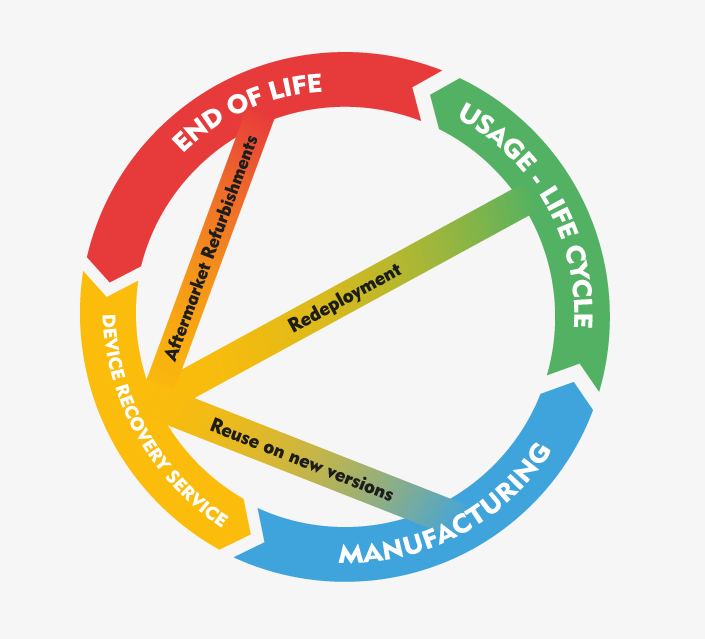
Implementing circular economy principles is another important step. This involves designing products for durability, repairability, and recyclability, and establishing closed-loop systems that minimize waste. Manufacturers can also explore remanufacturing and refurbishment opportunities to extend the life of products and reduce the need for new materials.

Furthermore, transparency and traceability are crucial for demonstrating sustainability efforts. Manufacturers need to track and report their environmental performance, and communicate their sustainability initiatives to stakeholders. This includes providing information about the materials used in their products, the energy consumed during production, and the waste generated.

Leveraging Digitalization and Automation with Manufacturing Solutions

Digitalization and automation offer tremendous opportunities for manufacturers to improve efficiency, productivity, and agility. By leveraging technologies like the Internet of Things (IoT), artificial intelligence (AI), and cloud computing, manufacturers can gain real-time insights into their operations, optimize processes, and make better decisions.

Implementing smart manufacturing technologies can enable predictive maintenance, reducing downtime and improving equipment reliability. By analyzing data from sensors and machines, manufacturers can identify potential problems before they occur and schedule maintenance proactively.

Robotics and automation can also streamline production processes, reduce labor costs, and improve quality. Collaborative robots (cobots) can work alongside humans, performing repetitive or dangerous tasks, while automated guided vehicles (AGVs) can transport materials and products throughout the factory floor.

Furthermore, cloud-based manufacturing solutions can provide manufacturers with access to powerful computing resources and software applications without the need for significant upfront investments. This can enable them to scale their operations quickly, collaborate more effectively with suppliers and customers, and access advanced analytics and reporting tools.

How Industry 4.0 is Changing Global Production

Global manufacturing is undergoing a seismic shift, driven by a wave of technological advancements collectively known as industry 4.0. This isn’t just about incremental improvements; it represents a fundamental rethinking of how goods are produced, distributed, and consumed across the globe. From smart factories to interconnected supply chains, industry 4.0 is reshaping the competitive landscape and creating new opportunities for businesses of all sizes.

Key Takeaways:

  • Industry 4.0 is driving automation and data exchange in manufacturing, leading to increased efficiency and productivity.
  • Cyber-physical systems, IoT, and cloud computing are central to the industry 4.0 revolution.
  • Global production is becoming more decentralized and customized, allowing for greater responsiveness to customer demands.
  • The shift towards industry 4.0 requires a skilled workforce capable of working with advanced technologies.

How Industry 4.0 is Revolutionizing Global Production Through Automation

One of the most significant impacts of industry 4.0 is the widespread adoption of automation. Advanced robotics, artificial intelligence (AI), and machine learning are increasingly being integrated into production processes, automating tasks that were previously performed by human workers. This automation leads to several key benefits, including increased efficiency, reduced costs, and improved product quality.

For example, in the automotive industry, robots are used extensively for welding, painting, and assembly tasks. These robots can operate 24/7 without fatigue, ensuring consistent quality and faster production times. Furthermore, AI-powered systems can analyze data from sensors and machines to optimize production processes in real-time, minimizing waste and maximizing throughput. This level of automation allows companies to produce goods more quickly and efficiently, giving them a competitive edge in the global market. The amount of data generated from these processes can easily reach several gb per day.

How Industry 4.0 is Revolutionizing Global Production Through Data Exchange and Connectivity

Industry 4.0 is characterized by seamless data exchange and connectivity across all stages of the production process. The Internet of Things (IoT) plays a crucial role in this, connecting machines, sensors, and systems to enable real-time monitoring and control. This connectivity allows for greater visibility into the entire supply chain, from raw materials to finished goods.

For example, sensors can track the location and condition of goods as they move through the supply chain, providing valuable information about potential delays or disruptions. This information can then be used to adjust production schedules and logistics, ensuring that goods are delivered on time and in optimal condition. Cloud computing provides the infrastructure for storing and processing the vast amounts of data generated by connected devices. This data can then be analyzed to identify trends, predict potential problems, and optimize production processes.

How Industry 4.0 is Revolutionizing Global Production Through Cyber-Physical Systems

Cyber-physical systems (CPS) are another key component of industry 4.0. These systems integrate physical processes with computational and communication capabilities, allowing for real-time monitoring and control of machines and equipment. CPS enable manufacturers to create smart factories that are highly responsive and adaptable.

For example, a smart factory might use CPS to monitor the performance of machines and predict when maintenance is needed. This allows for proactive maintenance, preventing costly breakdowns and minimizing downtime. CPS can also be used to optimize energy consumption, reducing costs and improving sustainability. The integration of physical and digital systems is revolutionizing the way factories operate, making them more efficient, flexible, and resilient.

How Industry 4.0 is Revolutionizing Global Production Through Customized Production

Industry 4.0 is enabling a shift towards more customized production. With the help of advanced technologies such as 3D printing and digital design tools, manufacturers can now produce goods that are tailored to individual customer needs. This allows for greater flexibility and responsiveness to changing market demands.

For example, a clothing manufacturer might use 3D printing to create custom-fit garments based on individual body measurements. This eliminates the need for mass production and allows customers to receive products that are perfectly tailored to their needs. The ability to customize products is becoming increasingly important in today’s market, as customers demand more personalized and unique experiences.