Strategic cloud infrastructure for data-heavy enterprises

Explore strategic cloud infrastructure advancements for data-heavy enterprises. Gain insights from real-world expertise on managing vast datasets securely.

Modern enterprises handle immense volumes of data. This reality drives a constant need for robust, efficient, and secure infrastructure. From customer transactions to intricate scientific simulations, data fuels operations and strategic decisions. Building the right foundation for this data is no longer an IT concern alone; it is a core business imperative. Our experience shows that careful planning and execution directly impact an organization’s agility and market position, especially in competitive sectors within the US and globally.

Overview

  • Data-heavy enterprises require cloud infrastructure for scalability and performance.
  • Strategic planning is crucial for managing vast datasets and complex workloads.
  • Security, compliance, and governance are paramount in cloud environments.
  • Hybrid and multi-cloud models offer flexibility and data residency options.
  • Operationalizing AI/ML demands specialized, high-performance cloud resources.
  • Cost optimization and efficient resource utilization are ongoing challenges.
  • Future-proofing infrastructure involves embracing serverless and edge computing.

Cloud infrastructure advancements for data-heavy enterprises: Architecting Scalable Solutions for Big Data

The sheer volume and velocity of data generated by modern businesses demand infrastructure that scales on demand. Traditional on-premise systems often struggle with this fluctuating load. Cloud platforms offer elastic compute, storage, and networking resources. This flexibility allows enterprises to handle peak loads without over-provisioning hardware. For example, a financial institution processing millions of transactions daily can scale up during trading hours and scale down afterwards. This approach optimizes resource allocation and reduces operational expenditures significantly. Our teams have implemented numerous such solutions, demonstrating clear performance gains and cost efficiencies. The ability to spin up data lakes, data warehouses, and processing clusters in minutes rather than months is a game-changer for data-intensive operations. These Cloud infrastructure advancements for data-heavy enterprises directly support faster insights and innovation.

Ensuring Data Integrity and Protection in Cloud Environments

Security and data governance are non-negotiable for data-heavy enterprises. Migrating sensitive information to the cloud requires a strong security posture. This includes robust identity and access management (IAM), data encryption at rest and in transit, and continuous threat detection. Compliance with regulations like GDPR, HIPAA, or CCPA is also critical. Organizations must implement strict data classification policies. They need to ensure data residency requirements are met, particularly for international operations or specific state regulations within the US. Regular audits and vulnerability assessments help maintain a secure environment. Our experience shows that a shared responsibility model, where the cloud provider secures the underlying infrastructure and the enterprise secures its data within, is key to robust protection. Proactive security measures prevent breaches and protect business reputation.

Cloud infrastructure advancements for data-heavy enterprises: Hybrid and Multi-Cloud Strategies

Many enterprises opt for hybrid or multi-cloud strategies. A hybrid cloud combines on-premise infrastructure with public cloud resources. This allows sensitive data to remain in a controlled environment while leveraging cloud scalability for less critical workloads. Multi-cloud involves using services from several public cloud providers. This strategy prevents vendor lock-in and allows enterprises to choose best-of-breed services. It also offers enhanced resilience and disaster recovery options. For instance, an enterprise might use AWS for its primary data processing and Azure for backup and archival. Managing these diverse environments requires sophisticated orchestration tools and a unified operational view. These Cloud infrastructure advancements for data-heavy enterprises enable organizations to optimize performance, cost, and compliance across their entire data landscape. Data portability between these environments is a key consideration, often addressed through containerization and standardized APIs.

Cloud infrastructure advancements for data-heavy enterprises: Operationalizing AI/ML Workloads

Artificial intelligence and machine learning are increasingly central to data-heavy enterprises. These workloads demand significant computational power and specialized hardware, such as GPUs. Cloud infrastructure provides on-demand access to these resources without large upfront capital investments. Data scientists can provision powerful compute instances for training complex models and then release them when no longer needed. Managed AI/ML services simplify deployment and scaling of models in production. This acceleration of the AI/ML lifecycle is a direct benefit of cloud adoption. From predictive analytics to personalized customer experiences, the ability to rapidly iterate and deploy models offers a competitive edge. These Cloud infrastructure advancements for data-heavy enterprises are foundational for organizations aiming to extract deeper insights and automate complex processes using AI and ML. Data pipelines must be efficient, feeding clean, well-structured data to the models consistently.

The journey towards an optimized cloud infrastructure is ongoing. It involves continuous evaluation of new services, architectural refinements, and talent development. Organizations must focus on cost governance, ensuring resources are utilized efficiently and expenditures align with business value. Regularly reviewing cloud spending and optimizing resource configurations are essential practices. The market offers a plethora of tools for FinOps and cloud cost management, which are vital for long-term sustainability. Staying agile and adaptive to evolving cloud capabilities will define success for data-heavy enterprises in the coming years.

Company Formation In Dubai Cost

Setting up a business in Dubai offers significant opportunities, but understanding the associated costs is crucial for effective planning. The overall Company Formation In Dubai cost is not a fixed figure; it varies widely based on several factors, including the chosen business activity, the legal structure, the jurisdiction (mainland or free zone), the number of visas required, and the type of office space. Prospective entrepreneurs need to budget carefully for initial setup fees, licensing, visa expenses, and ongoing operational costs to ensure a smooth launch and sustainable growth.

Understanding Initial Company Formation In Dubai Cost Components

The initial outlay for establishing a company in Dubai primarily covers registration and licensing. This includes the cost of reserving a trade name, obtaining the necessary business license for your specific activity, and registering with the relevant government authorities. Business activities are categorized, and each category has an associated fee structure. For instance, a professional services license might differ in cost from a general trading license. The Department of Economic Development (DED) governs mainland registrations, while free zones have their own distinct licensing authorities and fee schedules. These initial fees are foundational and unavoidable, forming the bedrock of your Company Formation In Dubai budget.

Mainland vs. Free Zone Company Formation In Dubai Cost

One of the most significant decisions impacting Company Formation In Dubai cost is choosing between a mainland setup and a free zone setup. Mainland companies, regulated by the DED, typically allow businesses to trade directly with the local market and engage in government contracts. However, they may involve higher upfront costs, particularly concerning office space requirements and potentially requiring a local sponsor or service agent. Free zones, on the other hand, offer 100% foreign ownership, full repatriation of capital and profits, and often more streamlined setup processes. The cost for free zone company formation can sometimes be lower initially, especially with packages that include flexi-desk options rather than dedicated office spaces. Each free zone has its own pricing, which can vary significantly depending on its specific offerings and location. For example, Meydan Free Zone provides competitive packages tailored for various business needs, focusing on efficiency and value.

Office Space and Company Formation In Dubai Cost

The requirement for office space is a major determinant of Company Formation In Dubai cost. Mainland companies traditionally need a physical office space with a lease agreement (Ejari). The rent for such spaces can vary dramatically based on location, size, and amenities. Free zones, conversely, often provide more flexible options, such as ‘flexi-desks’ or ‘business center’ facilities. These options allow businesses to meet the physical office requirement at a much lower cost, especially suitable for startups or small businesses that do not require a full-time, dedicated office. As a business grows, it can upgrade to larger office spaces within the free zone or move to a dedicated office. Choosing the right office solution can significantly impact your initial investment and ongoing operational expenditure.

Visa Expenses within Company Formation In Dubai Cost

Visas represent another substantial part of the Company Formation In Dubai cost. When you establish a company, you are typically eligible for investor or partner visas, as well as employee visas. The number of visas allocated often depends on the type of license and the size of the office space. Each visa involves various government fees for entry permits, status adjustment, medical examinations, Emirates ID, and visa stamping. If you plan to bring family members, dependent visas will add further costs. These processes require detailed documentation and payment of specific government charges. Accurate budgeting for visas is essential, as these costs can accumulate quickly, particularly for companies planning to bring multiple personnel to the UAE.

Additional Expenditures for Company Formation In Dubai

Beyond the primary components, several other expenses contribute to the overall Company Formation In Dubai cost. These can include mandatory requirements such as opening a corporate bank account, which might involve initial deposit requirements or banking fees. Many businesses opt for professional PRO (Public Relations Officer) services to assist with government dealings, document attestation, and visa processing. While an added cost, PRO services can save considerable time and effort. Legal consultation fees for drafting specific agreements or ensuring compliance are also common. Depending on the business activity, there might be fees for special approvals from ministries or regulatory bodies. It is prudent to allocate a contingency fund for unforeseen expenses that might arise during the setup process.

Ongoing Company Formation In Dubai Cost

The financial planning for Company Formation In Dubai does not end with the initial setup. Businesses must also account for recurring annual costs. The most significant of these is the annual renewal of the business license, which carries fees similar to the initial licensing. Office space rent, whether for a flexi-desk or a dedicated office, will also be an ongoing expense. Other recurring costs include accounting and auditing services, especially as companies grow and regulations evolve. Visa renewals, if applicable, also factor into the annual budget. Being aware of these ongoing commitments from the outset allows for better financial management and ensures the long-term viability of the business in Dubai. A clear understanding of both initial and recurring costs provides a holistic view of the investment required. Meydan Free Zone simplifies this by offering clear, upfront pricing for various business activities and packages, making it easier for entrepreneurs to plan their finances effectively.

Mastering the economics of technological disruption

Analyzing the economics of technological disruption, this article unpacks market shifts, policy impacts, and strategic adaptation for businesses and nations.

The modern global economy faces constant flux, largely driven by rapid technological advancements. From artificial intelligence to biotechnology, these innovations do more than simply offer new products; they fundamentally alter industries, labor markets, and societal structures. Understanding the economics of technological disruption is crucial for businesses, policymakers, and individuals aiming to thrive amidst such change. My work with various sectors, particularly in observing market shifts and regulatory challenges, highlights how quickly established paradigms can crumble, paving the way for entirely new value creation.

Overview

  • Technological disruption fundamentally reshapes economic landscapes, creating new opportunities while displacing old industries.
  • Market dynamics shift dramatically, impacting incumbent firms, new entrants, and consumer behavior.
  • Policy frameworks often lag behind technological progress, necessitating adaptive governance for equitable outcomes.
  • Labor markets experience significant transformation, demanding reskilling and new educational models to address automation and new job roles.
  • Strategic foresight and agile adaptation are essential for organizations to maintain relevance and foster growth in volatile environments.
  • Investment patterns gravitate towards innovative sectors, creating economic growth but also potential for market concentration.
  • International cooperation becomes vital to manage global challenges and opportunities presented by emerging technologies.

The Core Principles of The economics of technological disruption

Technological disruption is not merely about incremental improvements; it involves creating new markets or entirely redefining existing ones, often rendering established business models obsolete. This process is driven by innovations that offer superior performance, lower costs, or entirely new functionalities previously unavailable. Consider the shift from landlines to mobile phones, or from physical media to streaming services. Each presented a paradigm shift, not just an upgrade. These changes stem from innovations that begin niche, then rapidly expand due to inherent advantages or new value propositions.

From an economic perspective, this often means intense competition, rapid price decreases for new technologies, and a reallocation of capital and labor. Firms failing to adapt face significant decline, while agile new entrants capture substantial market share. The US economy, for example, has historically benefited immensely from this dynamic cycle of creative destruction, fostering an environment where innovation is rewarded. However, it also creates social friction, particularly concerning job displacement and the need for new skill sets. The core principle lies in understanding this inherent dynamism and its ripple effects across various economic agents.

Market Dynamics and New Value Chains

The arrival of disruptive technologies fundamentally alters market structures. Incumbent firms, often burdened by legacy infrastructure and processes, struggle to pivot quickly. This creates fertile ground for startups that can operate with agility, often at lower costs, leveraging new technologies from the outset. Value chains are reconfigured; traditional intermediaries might be bypassed, or entirely new ones emerge. For instance, e-commerce platforms directly connect producers and consumers, impacting traditional retail distribution.

Consumer behavior also shifts, driven by convenience, personalized experiences, and new possibilities. This, in turn, fuels further innovation and competition. Economies of scale can be rapidly achieved by disruptive innovators, sometimes leading to winner-take-most markets, especially in digital services. This concentration of market power raises concerns about competition and potential monopolies, prompting closer scrutiny from regulatory bodies. The speed of these market dynamics often outpaces the ability of traditional regulatory frameworks to respond effectively.

Policy Responses and Adapting to The economics of technological disruption

Policymakers face complex challenges in responding to the economics of technological disruption. The goal is often to foster innovation while mitigating its negative social and economic impacts. This involves striking a delicate balance between promoting free markets and ensuring fair competition, protecting workers, and addressing issues of inequality. Regulations concerning data privacy, intellectual property, and market power become critical. For instance, governments worldwide are grappling with how to regulate large technology platforms without stifling innovation.

Investment in education and retraining programs is paramount. As automation and AI reshape job roles, the workforce needs new skills to remain employable. Proactive labor market policies, rather than reactive measures, are essential. Furthermore, infrastructure development, particularly in digital connectivity, plays a crucial role in ensuring that all segments of society can participate in and benefit from the new economy. Without thoughtful policy, the gap between those who benefit from disruption and those left behind can widen considerably.

Strategic Imperatives in The economics of technological disruption

For businesses and organizations, effective strategy in the face of the economics of technological disruption requires agility, foresight, and a willingness to embrace change. This means continuously scanning the horizon for emerging technologies and understanding their potential impact, rather than waiting for disruption to become undeniable. Investing in research and development, fostering an innovative culture, and building flexible organizational structures are key components. Partnerships with startups or even acquiring smaller, innovative companies can also accelerate adaptation.

Beyond internal capabilities, strategic imperatives include anticipating evolving consumer expectations and adapting products and services accordingly. Diversification of revenue streams and exploring new business models are often necessary for long-term survival. For example, traditional media companies have had to adapt by investing heavily in digital content and subscription services. Leaders must cultivate a mindset that views change not just as a threat, but as an ongoing source of opportunity, continually reassessing core competencies and market positioning.

Using predictive business analytics and forecasting

Learn how predictive business analytics and forecasting drives smarter decisions, mitigates risks, and optimizes operations. Practical insights for tangible growth.

From my experience guiding organizations, the ability to anticipate future outcomes is no longer a luxury, but a necessity. Companies that excel in today’s volatile markets actively leverage data to peer into tomorrow. This isn’t just about guessing; it’s about employing systematic methods and statistical models to make informed, proactive choices. The integration of predictive business analytics and forecasting has become a cornerstone of competitive strategy across virtually every industry, from retail to manufacturing, healthcare, and finance.

Overview

  • Predictive business analytics and forecasting uses historical data, statistical algorithms, and machine learning to identify the likelihood of future outcomes.
  • Its primary goal is to provide actionable insights for strategic decision-making, rather than just reporting past events.
  • Key applications include sales forecasting, demand planning, risk assessment, customer churn prediction, and fraud detection.
  • Successful implementation requires quality data, appropriate analytical tools, skilled personnel, and a clear understanding of business objectives.
  • Challenges often involve data complexity, model accuracy validation, and integrating insights into existing workflows.
  • The approach helps businesses in the US and globally optimize resource allocation, identify emerging opportunities, and mitigate potential threats effectively.

The Core Principles of Predictive Business Analytics and Forecasting

At its heart, predictive business analytics and forecasting is about foresight. It moves beyond descriptive analytics (what happened) and diagnostic analytics (why it happened) to answer the crucial question: what will happen next? This discipline relies on finding patterns and relationships within vast datasets. Think of a retail chain analyzing past sales data, promotional calendars, weather patterns, and economic indicators. Their goal is to predict future demand for specific products, allowing them to optimize inventory, staffing, and marketing spend.

From my perspective, the process often starts with a clear business question. Are we trying to predict customer churn? Future revenue? Equipment failure? Once the question is defined, data collection becomes paramount. This raw data, often messy and incomplete, undergoes significant cleaning and preparation. Feature engineering, where new variables are created from existing ones, is a critical step. Then, various statistical models or machine learning algorithms are applied. These could range from simpler regression models to more complex neural networks, depending on the data and the desired accuracy. The model’s output isn’t a certainty, but a probability, a likelihood, allowing for scenario planning.

Data Sources and Tools for Effective Prediction

Effective prediction hinges on robust data. Businesses draw information from numerous internal and external sources. Internal data includes CRM systems, ERP platforms, sales transaction records, supply chain logs, and website analytics. External data might involve market research reports, economic indicators, social media trends, competitor activity, and even weather forecasts. The more diverse and relevant the data, the richer the insights a model can generate.

The tools used for analysis vary widely. For smaller operations, advanced spreadsheet functions can offer basic forecasting capabilities. However, for more sophisticated needs, specialized software is essential. This includes statistical programming languages like Python and R, business intelligence platforms, and dedicated machine learning frameworks. Cloud-based platforms have democratized access to powerful computing resources, making advanced analytics accessible even to mid-sized businesses in the US. My experience shows that selecting the right toolset depends heavily on data volume, team skill level, and budget constraints.

Practical Application of Predictive Business Analytics and forecasting

The real value of predictive business analytics and forecasting becomes apparent in its practical applications. For instance, in manufacturing, predictive maintenance models use sensor data to anticipate when machinery might fail, enabling proactive repairs and preventing costly downtime. In marketing, customer segmentation models predict which customers are most likely to respond to a particular campaign, optimizing ad spend and improving conversion rates. Financial institutions use these methods for credit risk assessment, forecasting default probabilities for loan applicants.

Consider the supply chain. Predicting demand fluctuations with accuracy helps companies avoid both overstocking and stockouts, directly impacting profitability and customer satisfaction. In human resources, analytics can predict employee turnover, allowing management to intervene with retention strategies. The insights derived from predictive business analytics and forecasting empower organizations to shift from reactive problem-solving to proactive strategy formulation, driving efficiency and competitive advantage. It’s about making decisions based on data-backed probabilities, not just intuition.

Overcoming Hurdles in Predictive Business Analytics and forecasting

Implementing predictive business analytics and forecasting is not without its challenges. One significant hurdle is data quality. Incomplete, inconsistent, or inaccurate data can lead to flawed predictions, undermining trust in the entire process. Data integration, especially from disparate systems, also presents a common difficulty. Organizations often struggle to unify data points scattered across various departments and platforms.

Another frequent obstacle involves model interpretation and validation. A complex model might generate accurate predictions, but if business users cannot understand how it arrived at those conclusions, adoption remains limited. Model decay, where predictive accuracy diminishes over time due due to changing market conditions or customer behavior, requires continuous monitoring and retraining. Lastly, gaining organizational buy-in and building a data-literate culture are crucial. Without executive sponsorship and cross-functional collaboration, even the most sophisticated predictive models will fail to deliver their full impact. A clear strategy and consistent communication are vital to success.

What Business Owners Get Wrong About Xero Bookkeeping

Xero has become a popular cloud-based accounting software for small and medium-sized businesses worldwide, celebrated for its user-friendly interface and robust features. However, its apparent simplicity often leads business owners to make fundamental mistakes in their bookkeeping practices. These errors can range from minor inefficiencies to significant financial misstatements, impacting decision-making, tax compliance, and overall business health. Understanding these common pitfalls is crucial for anyone relying on Xero to manage their finances effectively.

Key Takeaways

  • Xero is a tool, not an automated accountant; it requires human oversight and understanding.
  • Ignoring detailed bank reconciliation can lead to inaccurate financial reports and missed errors.
  • Many businesses underutilize Xero’s advanced features, missing opportunities for efficiency and insights.
  • Procrastinating data entry and categorization creates a backlog and hinders real-time financial understanding.
  • Failing to conduct regular financial reviews means missing trends and potential issues.
  • Disregarding the power of Xero integrations limits automation and data flow across business systems.
  • Proper setup and ongoing management are essential for Xero to deliver its full benefits.
  • Professional Xero bookkeeping support can prevent costly mistakes and ensure data integrity.

Misconception 1: Xero is an automated accountant.

What do business owners get wrong when they think Xero acts as an automated accountant?

  • Assuming full automation: Many believe Xero will automatically categorize every transaction and generate perfectly reconciled financial statements without any input or understanding from their side.
  • Lack of manual review: They neglect to review transactions, reconcile accounts properly, or verify the accuracy of automated entries.
  • Over-reliance on smart coding: While Xero’s bank rules are powerful, they require careful setup and regular monitoring to ensure transactions are always classified correctly. Incorrect rules can lead to widespread miscategorization.

Misconception 2: Ignoring bank reconciliation details.

Why is neglecting the details of bank reconciliation a common mistake?

  • Belief in matching being sufficient: Business owners often think that if Xero “matches” a transaction, it’s done, without checking if the match is correct or if all transactions are accounted for.
  • Missing discrepancies: A superficial review can miss duplicate entries, incorrect amounts, or unrecorded transactions that would otherwise be caught during a thorough reconciliation.
  • Impact on accuracy: Inaccurate bank reconciliations distort cash flow figures, balance sheets, and profit and loss statements, leading to poor financial decisions.

Misconception 3: Not utilizing Xero’s full features.

How do businesses often underutilize Xero’s capabilities?

  • Sticking to basic functions: Many users only use Xero for basic invoicing and bank feeds, missing out on powerful features like recurring invoices, expense claims, project tracking, or fixed asset management.
  • Ignoring reporting tools: Xero offers a wide array of customizable reports that provide valuable insights into business performance. Owners often don’t explore these, settling for basic P&L and balance sheets.
  • Failing to set up budgets: Xero allows for detailed budget creation and tracking, which can be instrumental for financial planning and performance measurement, yet this feature often goes unused.

Misconception 4: Delaying data entry and categorization.

When do business owners typically make the mistake of delaying these crucial tasks?

  • End-of-month scramble: Waiting until the end of the month or quarter to enter and categorize transactions creates a stressful backlog and reduces the currency of financial information.
  • Tax time panic: Procrastinating until tax time can lead to rushed entries, increased errors, and difficulty remembering transaction details, potentially missing deductions or overstating income.
  • Loss of real-time visibility: Delayed entries mean that financial reports are always backward-looking, preventing timely adjustments and proactive management decisions.

Misconception 5: Neglecting regular financial reviews.

Who typically neglects regular financial reviews, and what are the consequences?

  • Overwhelmed owners: Business owners, often juggling many roles, might view financial reviews as secondary to operational tasks.
  • Those lacking financial literacy: Without a basic understanding of financial statements, reviewing them can seem daunting or unproductive.
  • Consequences: Neglecting reviews means missing early warning signs of financial trouble, identifying inefficient spending patterns, or failing to capitalize on growth opportunities. It also prevents understanding profitability drivers.

Misconception 6: Overlooking the importance of integrations.

Where do businesses miss opportunities by not leveraging Xero integrations effectively?

  • Within existing workflows: Xero connects with thousands of third-party apps for inventory management, CRM, payroll, e-commerce, and more. Businesses often continue using siloed systems, leading to manual data transfer and errors.
  • Data flow bottlenecks: Without integrated systems, data has to be manually entered into multiple platforms, creating inefficiencies and increasing the chances of data entry mistakes.
  • Limited holistic view: Integrations provide a more complete picture of business operations by bringing data from different areas into Xero, allowing for richer reporting and analysis. For example, connecting an e-commerce platform provides detailed sales data directly.

Correcting these common misconceptions and adopting best practices for Xero bookkeeping support can significantly improve a business’s financial health and operational efficiency. It’s not just about using the software, but using it correctly and strategically.

For business owners who are finding these aspects challenging, or who want to ensure their Xero setup is optimized from the start, professional assistance can be invaluable. Actium Partners business accountants specialize in helping businesses properly implement and maintain their Xero systems. They can assist with initial setup, provide ongoing Xero bookkeeping support, ensure accurate data entry, perform regular reconciliations, and help interpret financial reports. Their guidance can help you avoid common pitfalls, improve financial reporting accuracy, and free up your time to focus on growing your business.

Expert upcycled furniture and home decor solutions

Achieve unique home aesthetics with expert upcycled furniture and home decor solutions. Learn practical approaches for sustainable, stylish living.

Over years of hands-on experience in the creative realm of repurposing, I’ve seen firsthand how discarded items can be reborn into beautiful, functional pieces. This isn’t just a hobby; it’s a passion that blends artistic vision with environmental stewardship. From flea markets in the US to roadside finds, the potential for upcycled furniture and home decor is everywhere. My goal is always to create items with character, pieces that tell a story while serving a modern purpose.

Overview:

  • Upcycling transforms old, unused items into new, valuable pieces, promoting sustainability.
  • Selecting the right base item is crucial for successful upcycled furniture and home decor projects.
  • Preparation, including cleaning and minor repairs, forms the foundation for lasting results.
  • Techniques like painting, sanding, and reupholstering give pieces a fresh look.
  • Selling creations requires good photography, clear descriptions, and understanding your market.
  • Repurposed items offer unique style and reduce landfill waste.
  • Embracing imperfections adds authentic charm to each finished piece.

Expert Approaches to Upcycled furniture and home decor Projects

My journey into upcycled furniture and home decor started with a desire to furnish my first apartment affordably and uniquely. I quickly learned that the real value comes from seeing potential where others see junk. A sturdy wooden crate became a stylish side table with a fresh coat of paint and some simple hairpin legs. An old window frame, stripped and waxed, found new life as a decorative wall hanging in our kitchen. These projects require a careful eye for structural integrity and a vision for aesthetics.

Start by assessing the item’s condition. Is it sturdy? Are there major repairs needed? Minor flaws often add character, but significant damage can make a project impractical. Next, consider its potential function. Can a dresser become a bar cabinet? Can old suitcases become storage chests? Planning is key. Gathering the right tools – sandpaper, brushes, quality paints, and appropriate hardware – saves time and frustration. My workshop always has a range of grit sandpaper, various paint types, and a trusty orbital sander. Patience is a virtue in this work; rushing leads to mistakes and less than ideal finishes. I prioritize durable, non-toxic materials, especially for items intended for daily use.

Selecting the Right Pieces for Repurposing

The art of sourcing is as important as the art of making when it comes to upcycled furniture and home decor. I often frequent estate sales, thrift stores, and even online marketplaces looking for items with good bones. Solid wood pieces are always a preference, as they offer longevity and can withstand multiple layers of paint or sanding. Pieces with interesting details, like carved legs or unique hardware, are particularly appealing. Sometimes, it’s not about the whole item but just a part – an ornate mirror frame, a set of vintage drawer pulls, or even sturdy table legs can inspire an entirely new creation.

Avoid items with extensive water damage, active insect infestations, or irreparable structural issues. These often demand more time and money than the finished piece is worth. Instead, look for items that need mostly cosmetic attention: faded paint, scratches, or outdated finishes. A simple chair might look drab, but imagine it with new upholstery and a vibrant color. Old filing cabinets can become industrial-chic storage. The goal is to identify items where a reasonable amount of effort yields a significant transformation. This selective process is born from years of learning what works and what doesn’t.

Practical Techniques for Upcycled furniture and home decor

Once a piece is selected, proper preparation is paramount. This foundational step dictates the quality and longevity of the final product. Every item receives a thorough cleaning, sometimes involving a degreaser for kitchen pieces or a wood cleaner for older furniture. Loose joints are tightened, and any splinters or rough edges are sanded smooth. For painting projects, I often prime the surface to ensure better paint adhesion and a more even finish. Using appropriate respirators and working in well-ventilated areas are non-negotiable safety practices in my workshop.

When it comes to actual techniques, painting is often the quickest way to update a look. Chalk paint offers a matte, distressed finish, while milk paint provides a more natural, antique feel. For a sleek, modern aesthetic, I opt for high-quality acrylic or latex paints, applied with a sprayer for a factory-smooth result. Staining and sealing wood pieces brings out their natural beauty and offers durable protection. Reupholstering chairs or benches can completely redefine a space, requiring careful fabric selection and precise application. Experimenting with stenciling, decoupage, or adding new hardware like pulls and knobs also personalizes a piece significantly. These hands-on methods have been refined through countless projects over the years.

Selling and Showcasing Your Upcycled furniture and home decor Creations

Bringing upcycled furniture and home decor to market involves more than just crafting beautiful items; it requires presentation and understanding your audience. High-quality photography is non-negotiable. I always photograph my finished pieces in natural light, showcasing them in a staged home environment to help potential buyers visualize them in their own spaces. Detail shots highlight unique features or craftsmanship. Clear, honest descriptions are vital, detailing the materials used, dimensions, and any original characteristics that remain. I mention the sustainable aspect, which resonates with many environmentally conscious consumers today.

Pricing reflects not only the material cost but also the time, skill, and creative vision invested. Researching similar items sold locally or online helps set competitive prices. Platforms like Etsy, Facebook Marketplace, or local artisan markets are excellent venues. Building relationships with interior designers can also lead to custom orders and wider exposure. I consistently collect feedback, which helps refine future projects and market appeal. Each successful sale validates the effort and fuels the next creative endeavor, connecting unique pieces with appreciative homes.

Proven Growth hacking strategies for online brands

Practical, experience-backed Growth hacking strategies for online brands to scale user acquisition & retention. Actionable tactics for market impact.

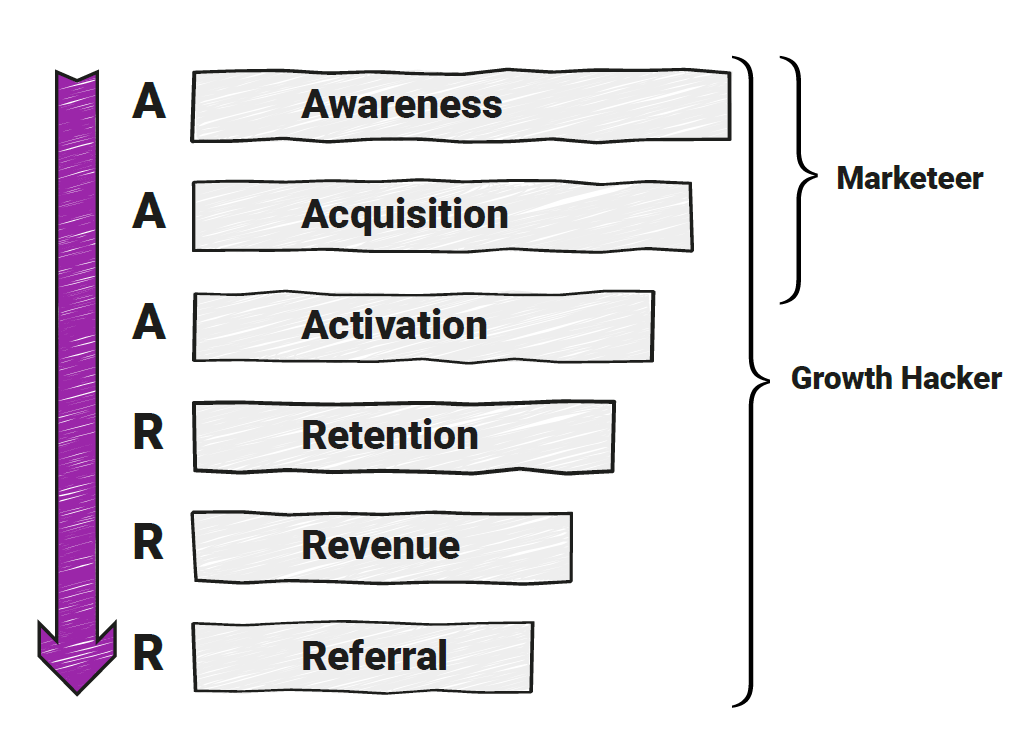
In my years working with online businesses, I’ve seen firsthand that sustainable growth doesn’t come from a single “magic bullet” but from a relentless cycle of experimentation and optimization. For online brands, this means moving beyond traditional marketing plans and adopting agile, data-driven methods. This approach, often termed growth hacking, focuses on rapid iteration to identify the most efficient paths to scale. It’s about being lean, adaptable, and deeply analytical in every marketing and product decision.

Overview

  • Growth hacking for online brands prioritizes rapid experimentation over long-term campaigns.
  • Data analytics forms the backbone of all effective growth initiatives.
  • Customer retention and referral programs are as crucial as new customer acquisition.
  • Successful strategies often involve A/B testing, personalization, and conversion rate optimization.
  • Understanding the customer journey from awareness to advocacy is fundamental.
  • Leveraging community and user-generated content can significantly boost organic reach.

Leveraging Data for Effective Growth hacking strategies for online brands

At the core of any successful Growth hacking strategies for online brands is an obsession with data. We don’t guess; we test. My team and I consistently start by defining clear metrics – what we call Key Performance Indicators (KPIs). These might include customer acquisition cost (CAC), customer lifetime value (LTV), or conversion rates at various funnel stages. For instance, in the US market, understanding regional purchasing behaviors through analytics can pinpoint where to allocate marketing spend more effectively.

Collecting and interpreting user behavior data is non-negotiable. Tools like Google Analytics, Mixpanel, or custom dashboards allow us to track everything from website clicks to product engagement. This data helps identify bottlenecks in the user journey. Perhaps users drop off at a specific checkout step, or a particular landing page has a low bounce rate but poor conversion. Data points us directly to these issues, enabling targeted improvements rather than broad assumptions. Without a strong data foundation, growth hacking is just guesswork.

Experimentation-Driven Growth hacking strategies for online brands

The ethos of growth hacking is continuous experimentation. This involves forming hypotheses, designing tests, analyzing results, and implementing findings. We frequently employ A/B testing on everything from ad creatives and headlines to email subject lines and product page layouts. A small tweak to a call-to-action button, for example, can sometimes yield surprising increases in conversion rates. This isn’t about grand campaigns; it’s about numerous small, impactful optimizations.

One practical example involves optimizing onboarding flows. We once experimented with reducing the number of form fields during sign-up for an e-commerce brand. Initial concerns about data quality were outweighed by a significant increase in successful registrations. The key was to gather only essential information upfront and progressively collect more details as the user engaged further. These iterative changes, driven by real user response, are characteristic of effective Growth hacking strategies for online brands.

Retention and Referral Tactics for Online Success

Acquiring new customers is vital, but retaining existing ones is often more cost-effective and contributes significantly to long-term growth. From my experience, online brands that master customer retention build a more resilient foundation. We focus on strategies like personalized email campaigns, loyalty programs, and exceptional customer service. Sending targeted follow-up emails after a purchase, offering exclusive discounts to repeat buyers, or simply providing quick, helpful support can dramatically improve customer loyalty.

Referral programs are another powerful tool. Happy customers are your best marketers. By incentivizing existing users to invite new ones, brands can tap into trusted networks. This lowers customer acquisition costs and brings in higher-quality leads. For example, a “give $10, get $10” model has proven effective across various online sectors. Building a strong community around the brand also encourages organic word-of-mouth, which is invaluable. These retention and referral tactics amplify growth by turning customers into advocates.

Scaling Paid Acquisition with Growth hacking strategies for online brands

While organic methods are crucial, paid acquisition remains a cornerstone for many online brands seeking rapid scale. The growth hacking approach to paid channels, however, is far from traditional ad buying. It’s about micro-experimentation, precise targeting, and continuous optimization. We constantly test new ad platforms, audience segments, and creative variations. This might involve exploring niche social media platforms, experimenting with different ad formats on Google, or leveraging influencer collaborations.

Performance marketers on my team are always looking for marginal gains. This means diligently tracking campaign performance and being ready to pause underperforming ads or scale up successful ones instantly. We don’t just set and forget campaigns. Instead, we use real-time data to adjust bids, refine targeting parameters, and iterate on ad copy to maximize return on ad spend. This agile, data-centric strategy is essential for making paid acquisition a genuinely scalable engine for an online brand’s expansion.

Forecasting manufacturing labor costs 2026 outlook

Forecasting manufacturing labor costs 2026 outlook. Expert analysis of key drivers, regional shifts, and strategic responses for US manufacturers.

The landscape for manufacturing in the US is constantly shifting, and understanding future labor costs is crucial for operational stability and profitability. As an industry veteran, I’ve witnessed firsthand the cyclical and structural forces that influence payrolls. The period leading up to and including 2026 presents a complex interplay of economic trends, technological advancements, and demographic shifts that will directly impact expenditure on human capital. Proactive forecasting, rather than reactive adjustments, will differentiate resilient manufacturers.

Overview

  • Manufacturing labor costs 2026 are projected to rise due to inflation, wage pressures, and talent shortages.
  • Automation and AI integration will alter job roles, requiring upskilling and reskilling investments.
  • Regional variations in labor availability and wages will be significant across the US.
  • Workforce planning, including retention strategies and benefits, becomes critical for attracting talent.
  • Geopolitical factors and supply chain resilience will indirectly influence labor demand and costs.
  • Strategic investment in technology and human capital development is essential for competitiveness.

Anticipating Wage Pressures in Manufacturing labor costs 2026

One of the most immediate concerns for manufacturing labor costs 2026 is persistent wage pressure. The lingering effects of post-pandemic inflation, coupled with a tight labor market in many sectors, suggest that upward wage adjustments will continue. Manufacturers in the US are already competing fiercely for skilled workers, from machine operators to specialized technicians. This competition drives base salaries higher and increases expectations for benefits packages. Employers must factor in not only direct wage increases but also the rising cost of healthcare premiums and retirement contributions.

Beyond macroeconomic factors, sector-specific demands contribute to this pressure. Industries adopting advanced manufacturing techniques require employees with specialized skills. The scarcity of these particular skill sets creates a premium, further pushing up labor costs. Companies that fail to offer competitive compensation risk losing their talent to rivals or facing significant productivity losses due to understaffing. This necessitates a close watch on regional wage benchmarks and proactive adjustment of compensation strategies.

Technological Integration and its Impact on Manufacturing labor costs 2026

The integration of advanced technologies like automation, robotics, and artificial intelligence will profoundly reshape manufacturing labor costs 2026. While initial investments in technology are substantial, the long-term impact on labor efficiency is undeniable. Automation can reduce the need for repetitive, manual tasks, potentially lowering direct labor hours per unit. However, it simultaneously creates demand for a different kind of workforce: one skilled in operating, maintaining, and programming these complex systems. This shift implies a recalibration of the labor force.

Manufacturers will invest more in training and upskilling their existing workforce to manage new technologies. This investment, while crucial, becomes a new component of labor expenditure. Furthermore, the specialized nature of these roles often commands higher wages. The true cost benefit of automation, therefore, isn’t necessarily about eliminating jobs, but about optimizing human capital and shifting labor towards higher-value activities. The challenge lies in balancing the cost of new technology with the cost of developing a future-ready workforce.

Strategic Workforce Planning for Future Competitiveness

Effective workforce planning will be paramount for managing future labor expenditure. This goes beyond simply filling open roles. It involves forecasting future skill requirements, analyzing demographic trends, and implementing robust talent development programs. The aging workforce in many manufacturing sectors across the US means a significant portion of experienced employees will retire in the coming years. This creates a knowledge gap that must be addressed through mentorship programs, apprenticeships, and strategic recruitment.

Retaining skilled employees is often more cost-effective than constantly recruiting and training new ones. Manufacturers must focus on creating positive work environments, offering career growth opportunities, and providing competitive, holistic compensation packages that include more than just salary. Flexible work arrangements, safety protocols, and a strong company culture can also significantly impact retention rates. A well-executed workforce plan minimizes the disruptive and costly effects of high turnover and ensures a stable, skilled labor base for future operations.

Regional Variances in Manufacturing labor costs 2026 Across the US

Analyzing manufacturing labor costs 2026 requires a granular understanding of regional differences within the US. Labor markets are not monolithic. Factors such as local cost of living, the density of manufacturing industries, the presence of strong unionization, and state-specific regulations all contribute to significant variations in wage rates and associated costs. For instance, manufacturers in states with higher living expenses or a greater concentration of advanced industries might face higher wage demands compared to those in more rural areas.

Moreover, regional differences in workforce availability play a critical role. Some areas struggle more acutely with skilled labor shortages than others, driving up competition and wages. Companies with multiple facilities across different states often encounter a patchwork of labor market conditions, necessitating localized strategies for compensation and recruitment. Understanding these regional nuances allows for more accurate budgeting and strategic decisions regarding facility locations and expansion plans. Blanket assumptions about labor costs across the entire US will likely lead to inaccurate forecasts and missed opportunities.

Mastering Disruptive Entry Strategies by Emerging Players

Emerging players are increasingly reshaping global markets, often by introducing novel approaches that challenge incumbent giants. Their strength lies in agility, deep local market understanding, and a willingness to embrace business models deemed too risky for established firms. Success in this landscape requires a calculated approach to market entry, focusing on identifying unmet needs or underserved segments. These entities frequently leverage technological advancements, not merely as tools, but as foundational elements of their value proposition.

Overview

  • Emerging players often succeed by identifying and addressing unmet market needs or underserved customer segments.
  • Their agility and lower cost structures enable faster innovation and more aggressive pricing than established competitors.
  • Leveraging digital platforms and new technologies is central to their disruptive models, allowing rapid scaling and reach.
  • Successful strategies frequently involve business model innovation, moving beyond traditional product or service offerings.
  • Strong understanding of local market dynamics and cultural nuances provides a significant competitive edge.
  • These players often capitalize on regulatory gaps or evolving consumer preferences to establish new market categories.

Understanding the Landscape for Disruptive Entry Strategies by Emerging Market Players

The global market is a dynamic arena where new entrants from emerging economies are increasingly asserting their influence. These players are not just incremental innovators; they are often genuinely disruptive, redefining value propositions and customer expectations. Their strategies frequently stem from a deep understanding of resource constraints and unique consumer behaviors within their home markets. This intimate knowledge allows them to design solutions that are not only effective but also highly scalable and cost-efficient.

Take, for instance, companies that have built massive e-commerce empires in countries with fragmented retail landscapes. They didn’t just copy models from the US or Europe; they adapted them. They built their own logistics networks, developed payment solutions tailored to local banking infrastructures, and created trust in environments where online transactions were initially viewed with skepticism. These contextual adaptations are critical components of their success. They fundamentally alter how markets function, creating new pathways for consumption and competition.

Leveraging Agility and Business Model Innovation

Emerging players often benefit from a distinct lack of legacy infrastructure, enabling them to build systems and processes from scratch. This greenfield advantage fosters agility, allowing them to pivot quickly in response to market feedback or technological shifts. Their business models are frequently leaner, designed for rapid experimentation and iteration. Many eschew traditional profit-margin expectations in favor of rapid user acquisition and market share growth, betting on future monetization.

Consider the rise of ride-sharing applications that emerged in various regions, customizing services for local transportation habits and pricing sensitivities. These were not just technology plays; they were radical overhauls of traditional taxi industries. They introduced new ways for drivers to earn income and for passengers to travel, creating entirely new ecosystems. This willingness to challenge established norms and build entirely new value chains is a hallmark of successful disruption. It’s about more than just a new product; it’s about a new way of doing business.

Tailored Approaches and Localized Value Propositions

A key differentiator for many emerging players is their ability to deeply localize their offerings. This isn’t merely about translation; it involves understanding cultural nuances, specific customer pain points, and existing market inefficiencies. They excel at crafting value propositions that resonate directly with local populations, often filling gaps that larger, more generalized global players overlook or struggle to address. This hyper-local focus can create immense loyalty and barriers to entry for competitors.

For example, mobile payment platforms originating in developing markets often integrated informal economies and unbanked populations into digital finance. They recognized that traditional banking models were inaccessible for many. By offering simple, accessible, and low-cost solutions, often tied to mobile phone numbers, they revolutionized financial inclusion. This strategic choice allowed them to rapidly onboard millions of users, building an unassailable advantage rooted in understanding the specific needs of their target demographic.

Strategies for Disruptive Entry Strategies by Emerging Market Players

The successful execution of disruptive entry strategies by emerging market players hinges on several core tactical elements. First, they often target niche markets or specific demographic segments that are either underserved or completely ignored by incumbents. This focus allows them to build a strong initial foothold without direct confrontation with established giants. Second, rapid iteration and feedback loops are crucial; they launch minimum viable products and continuously refine them based on user data. This agile development cycle enables them to adapt swiftly.

Furthermore, these players frequently utilize digital platforms to scale their operations quickly and cost-effectively. Cloud computing, mobile connectivity, and social media tools provide unprecedented reach and marketing capabilities, even with limited resources. They also emphasize community building and peer-to-peer engagement, leveraging network effects to grow their user base exponentially. Finally, a relentless pursuit of cost efficiency, often through process innovation or localized supply chains, allows them to offer competitive pricing, making their offerings accessible to a broader market segment. This combination of focused targeting, agile development, digital leverage, and cost discipline defines the modern playbook for disruptive entry strategies by emerging market players.

Mastering benchmarking service efficiency against standards

Refine operations by benchmarking service efficiency against industry standards. Learn practical methods for assessing performance and driving continuous improvement.

In the world of service delivery, understanding how well your operations truly perform is paramount. It’s not enough to simply function; businesses must strive for optimal output and consistent quality. This pursuit often leads experienced professionals to benchmarking service efficiency against industry standards. This process provides an external, objective lens, revealing areas of strength and identifying opportunities for significant operational improvement. From a practitioner’s standpoint, this isn’t just about data; it’s about strategic insight and practical application.

Overview

  • Benchmarking provides a critical external perspective on service operations.
  • It involves comparing key performance indicators (KPIs) against sector leaders and established norms.
  • The process helps identify gaps, validate effective strategies, and set realistic improvement targets.
  • Real-world application requires careful data collection, robust analysis, and a commitment to action.
  • Typical metrics include response times, resolution rates, customer satisfaction scores, and cost per service unit.
  • Successful benchmarking fosters continuous operational refinement and sustains competitive advantage.

Why Benchmarking service efficiency against industry standards is Crucial

Every organization, regardless of its size or sector, benefits from a clear understanding of its operational standing. Without external context, internal metrics can create a misleading sense of accomplishment. Benchmarking service efficiency against industry standards provides that essential reality check. It reveals whether your service delivery is competitive, falling behind, or setting new precedents. For example, a US-based tech support team might believe its 10-minute average response time is good, but industry leaders might be achieving 5 minutes. This comparison immediately highlights a gap.

This exercise is not about imitation; it is about informed strategic planning. It helps allocate resources more effectively, pinpoint training needs, and validate investments in new technologies or processes. By understanding what “best-in-class” looks like, companies can set ambitious yet attainable goals. This approach moves organizations beyond mere operational stability towards genuine excellence. It acts as a catalyst for ongoing improvement cycles.

Practical Steps for Benchmarking service efficiency against industry standards

The journey to effective benchmarking begins with meticulous planning and data collection. First, clearly define the service areas and processes to be assessed. Are you evaluating customer support, field service, or internal IT operations? Next, identify relevant key performance indicators (KPIs). These might include first-call resolution rates, average handling time, service level agreement (SLA) adherence, or customer churn reduction. Ensure these metrics are measurable and aligned with business objectives.

The next step involves sourcing reliable industry data. This can come from various channels: industry associations, market research reports, consultancy studies, or peer networking groups. Sometimes, direct engagement with non-competing firms for shared learning can be invaluable. Once data is gathered, a thorough analysis compares your performance against the identified standards. Look for significant deviations, both positive and negative. Plot trends over time to see if your performance is improving or deteriorating relative to the benchmarks. This detailed comparison forms the bedrock of meaningful insights.

Common Challenges and Solutions in Performance Measurement

While the benefits of performance measurement are clear, the process itself is not without its hurdles. One frequent challenge is the availability and quality of external data. Finding truly comparable industry standards for niche services or unique business models can be difficult. Additionally, internal data collection often presents issues, from inconsistent tracking to siloed information. This can skew comparisons and lead to inaccurate conclusions.

Another common obstacle is internal resistance to change or the perception that benchmarking is solely about finding faults. Addressing these challenges requires transparent communication about the goals of the exercise – focusing on growth, not blame. Invest in data hygiene and modern analytics tools to improve internal measurement capabilities. When direct industry comparisons are scarce, look for analogous processes in other sectors. For instance, efficiency in a delivery service might offer parallels for an internal logistics team. Frame the results constructively, emphasizing learning and adaptation.

Leveraging Insights from Operational Performance Metrics

Once the benchmarking service efficiency against industry standards exercise is complete, the real work begins. The collected data and analysis are not ends in themselves; they are springboards for action. The insights gained must translate into tangible operational adjustments. This could involve process re-engineering, re-training staff, updating technology infrastructure, or re-evaluating supplier agreements. For example, if response times are consistently slower than industry averages, it might signal a need for more support staff, better routing systems, or optimized workflows.

Implement pilot programs for proposed changes to test their efficacy before a full rollout. Regularly monitor the new performance metrics to gauge the impact of these interventions. This continuous feedback loop is vital for sustained improvement. By proactively adjusting operations based on benchmark findings, organizations can not only catch up to competitors but potentially surpass them. It’s an iterative journey of review, adaptation, and refinement, ensuring service efficiency remains a core competitive strength.